The Airbus A350F is a next-generation, widebody freighter developed by Airbus for transporting commercial cargo across domestic and international routes. Based on the A350 aircraft family, it is designed to combine long-range performance, modern aircraft systems, and improved fuel efficiency with the practical requirements of freight operations.
Its first-flight milestone is significant because it allows the aircraft development program to progress through flight testing, where engineers evaluate its handling, systems, performance, and compliance with certification requirements. The aircraft’s entry into commercial service depends on successful testing, certification, and delivery preparations.
What Is the Airbus A350F Freighter?
The Airbus A350F is a purpose-built cargo aircraft rather than simply a passenger aircraft with its seats removed. It is being developed to meet the requirements of cargo operators that transport packages, industrial equipment, e-commerce shipments, pharmaceuticals, and other commercial goods.
Airbus designed the freighter around the A350 platform, which incorporates advanced aerodynamics, modern engines, and extensive use of lightweight materials. These characteristics are intended to help operators manage fuel consumption and operating costs over long distances.
Why Is the A350F Important for Cargo Aviation?
Air cargo plays an essential role in global trade. Time-sensitive products, high-value equipment, medical supplies, and e-commerce orders often depend on aircraft to move between major logistics hubs.
The A350F aims to address several industry priorities:
- Fuel efficiency: Modern engines and aerodynamic design can help reduce fuel consumption compared with older aircraft, depending on the route, payload, and operating conditions.
- Long-distance cargo operations: Its widebody configuration is intended to support international freight routes.
- Modern aircraft technology: The A350 platform provides contemporary flight systems and cockpit technology.
- Cargo handling: A dedicated freighter design accommodates freight-loading requirements and cargo-specific operations.
- Fleet modernization: Airlines can evaluate the aircraft as part of a long-term replacement strategy for older freighters.
These benefits matter because fuel, maintenance, aircraft utilization, and loading efficiency all influence the cost of transporting cargo.
Airbus A350F First Flight: Why the Milestone Matters
An aircraft’s first flight is one of the most visible moments in its development. However, it is important to distinguish between a first flight, a successful test campaign, regulatory certification, and the start of commercial operations.
A first flight gives the development team an opportunity to collect data on how the aircraft behaves in the air. Test pilots and engineers assess the aircraft against planned test objectives and monitor its systems throughout the flight.
1. Initial Flight Performance
During early flight testing, engineers assess handling characteristics, flight-control behavior, and aircraft-system performance. The results help determine whether the aircraft is behaving as expected under the tested conditions.
2. Aircraft Systems Evaluation
Modern freighters depend on interconnected avionics, navigation, communication, engine-management, and flight-control systems. Testing helps engineers identify issues that need further investigation before the aircraft progresses through its development program.
3. Certification Preparation
The aircraft must demonstrate compliance with applicable aviation safety requirements. Flight testing is one part of a wider certification process that can include ground tests, structural evaluations, system checks, and analysis of engineering data.
4. Future Cargo Operations
Once the development and certification requirements have been met, the aircraft can progress toward delivery and entry into service. Cargo operators can then prepare their crews, maintenance teams, airport procedures, and freight-handling operations.
Important: For a news publication, confirm the exact date, test-flight duration, aircraft registration, and reported test results against the latest official Airbus announcement before publishing them. A first flight should not automatically be described as commercial service or certification.
Key Features of the Airbus A350F
The A350F combines a widebody freighter configuration with technologies associated with the A350 family.
Advanced Aerodynamic Design
Aircraft aerodynamics influence drag, fuel consumption, and performance. The A350 family incorporates aerodynamic design features intended to improve efficiency during flight.
For cargo airlines, efficiency is particularly important on long-distance routes, where fuel expenditure represents a major operating consideration.
Modern Engine Technology
The A350 family uses Rolls-Royce Trent XWB engines. Engine performance, maintenance planning, and fuel efficiency are important factors in evaluating an aircraft’s long-term economics.
Actual fuel consumption varies according to payload, weather, route length, altitude, and operating procedures.
Dedicated Cargo Configuration
Unlike a passenger aircraft configured for freight, the A350F is designed around cargo transportation. Its cargo doors, freight compartments, loading arrangements, and structural design support its intended role.
These features help operators assess how the aircraft could fit into their existing logistics networks.
Environmental Considerations
New-generation aircraft are designed with efficiency improvements in mind. Lower fuel consumption per unit of cargo can contribute to reducing operational emissions, although the actual result depends on the aircraft’s load, route, and utilization.
For accurate environmental comparisons, readers should examine equivalent payloads, route lengths, and operating conditions rather than relying on a single headline figure.
Airbus A350F vs. Boeing 777 Freighter: What Is the Difference?
The Airbus A350F and Boeing 777 Freighter belong to the widebody cargo aircraft category, but they represent different aircraft platforms and fleet-planning choices.
| Feature | Airbus A350F | Boeing 777 Freighter |
| Manufacturer | Airbus | Boeing |
| Aircraft category | Dedicated widebody freighter | Dedicated widebody freighter |
| Platform | A350 aircraft family | Boeing 777 family |
| Design focus | Next-generation cargo operations | Long-range, high-capacity cargo operations |
| Engine family | Rolls-Royce Trent XWB | General Electric GE90 |
| Operator considerations | Fuel efficiency, cargo compatibility, fleet modernization | Payload requirements, established operations, network compatibility |
| Best comparison method | Evaluate planned routes, payloads, and operating costs | Evaluate the same operational factors |
Neither aircraft is automatically the best option for every airline. A cargo operator must compare payload capacity, range at a given payload, fuel burn, maintenance costs, airport compatibility, delivery schedules, and the availability of supporting infrastructure.
The key distinction is that aircraft selection is an operational and financial decision, not simply a comparison of which model is newer.
How to Track an Aircraft After Its First Flight
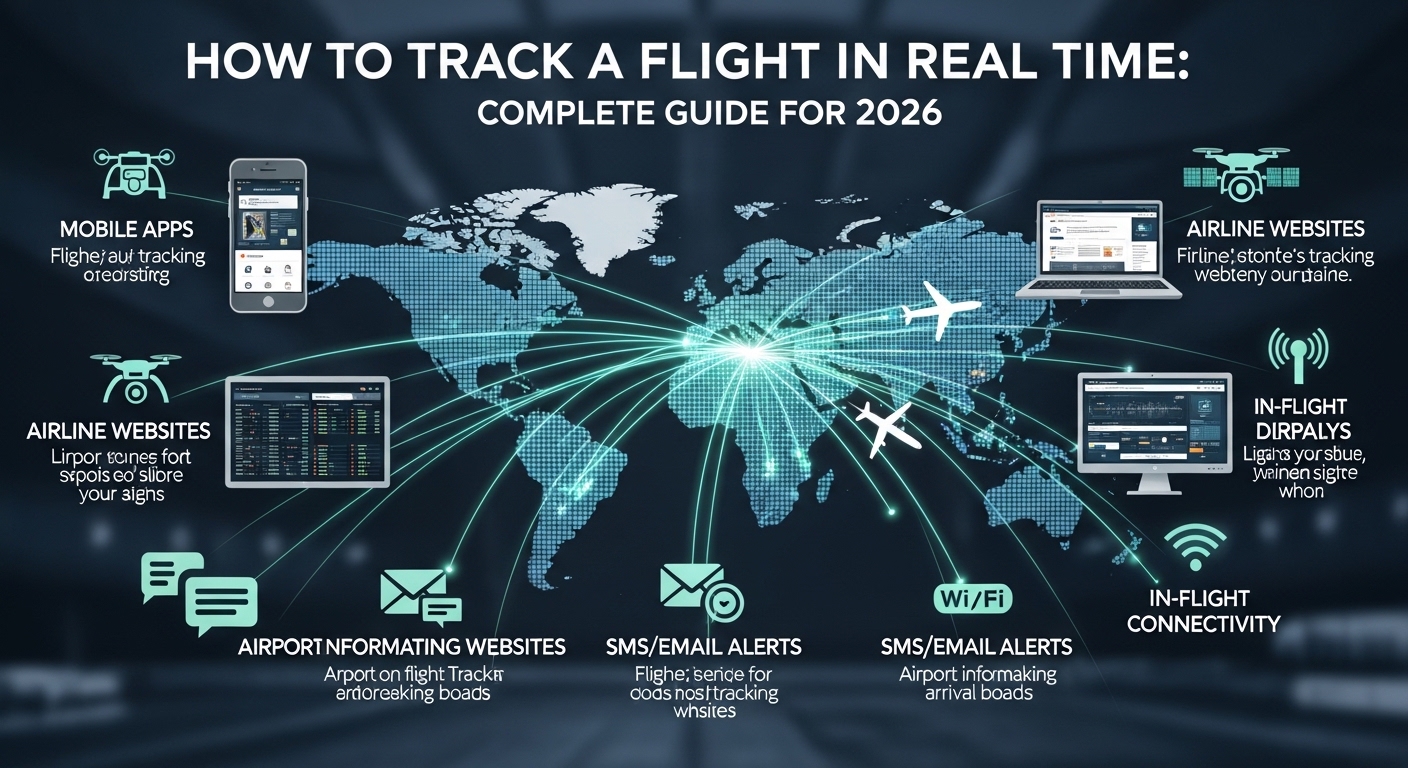
Aviation enthusiasts often want to follow aircraft movements after a major test-flight milestone. A live airplane tracker can display aircraft positions, flight paths, altitude, speed, and other information when the relevant data is available.
A flight tracker is particularly useful for identifying aircraft operating near airports, following commercial flights, and exploring international air traffic patterns.
What Is a Real-Time Flight Tracker?
A real-time flight tracker is an online service or application that displays aircraft movements using available aviation data. Depending on the provider and aircraft, this information can include a flight number, aircraft registration, current position, altitude, speed, departure airport, destination, and estimated arrival time.
Many tracking services use Automatic Dependent Surveillance-Broadcast (ADS-B) signals, while other data sources may supplement the information. Coverage varies by region, aircraft equipment, signal reception, and the tracking provider.
A tracker may not display every aircraft, especially military aircraft, certain test flights, or flights whose data is restricted or unavailable.
How to Track a Flight in Real Time
Follow these steps to track flights in real time:
- Choose a flight tracking service. Open a reputable flight tracking website or application.
- Search by flight number or aircraft registration. If you are tracking a particular aircraft, registration is often more useful than a general model name.
- Open the live map. Select the relevant result to view the aircraft’s available flight information.
- Review the flight details. Check the reported position, altitude, speed, route, and timestamp.
- Check the data source and update time. Understand that displayed positions and estimated arrival times may be delayed or incomplete.
- Refresh or monitor the flight. Follow subsequent position updates as the aircraft continues its journey.
For a test aircraft such as the A350F, a registration number or official test-flight announcement may be necessary. Searching only for “Airbus A350F” may not identify the correct aircraft or provide live data.
Best Live Flight Tracker Online Tools
Several services offer aircraft maps and flight information. The right option depends on whether you want to follow an individual flight, explore worldwide air traffic, or monitor flights on a mobile device.
1. Flightradar24
Flightradar24 is a widely used flight tracking service that provides an interactive map and aircraft information. Users can search for flights, view aircraft movements, and explore available route information.
Website: https://www.flightradar24.com/
It is a practical option for people looking for a flight radar live map or a live flight tracker with map.
2. FlightAware
FlightAware provides flight tracking and flight-status information. Depending on the flight and data availability, users can review departure information, arrival estimates, and route details.
Website: https://www.flightaware.com/
It can be useful when you want a live flight status tracker for a specific commercial flight.
3. ADS-B Exchange
ADS-B Exchange provides an aircraft-tracking map based on available surveillance data, with an emphasis on displaying aircraft without some of the filtering applied by other tracking services. Coverage and visibility still depend on the data available to the platform.
Website: https://globe.adsbexchange.com/
It may be useful for aviation enthusiasts interested in aircraft movements beyond routine commercial passenger services.
4. AirNav Radar
AirNav Radar offers aircraft-tracking and aviation information through its online services.
Website: https://www.airnavradar.com/
Users can explore aircraft positions and available flight information through its tracking interface.
What Should You Look for in a Flight Tracker?
When selecting a live air traffic tracker, consider these factors:
- Map coverage: Does the service provide useful coverage for your region?
- Aircraft information: Can you search by flight number, registration, or aircraft type?
- Update frequency: How frequently is position information refreshed?
- Historical information: Does the service offer past flight records?
- Mobile access: Can you use the tracker comfortably on a smartphone?
- Data limitations: Does the provider explain delays, unavailable aircraft, or coverage gaps?
The most useful service is the one that provides reliable, relevant information for the flights you actually want to follow.
Live Flight Tracker App Download: What Are Your Options?
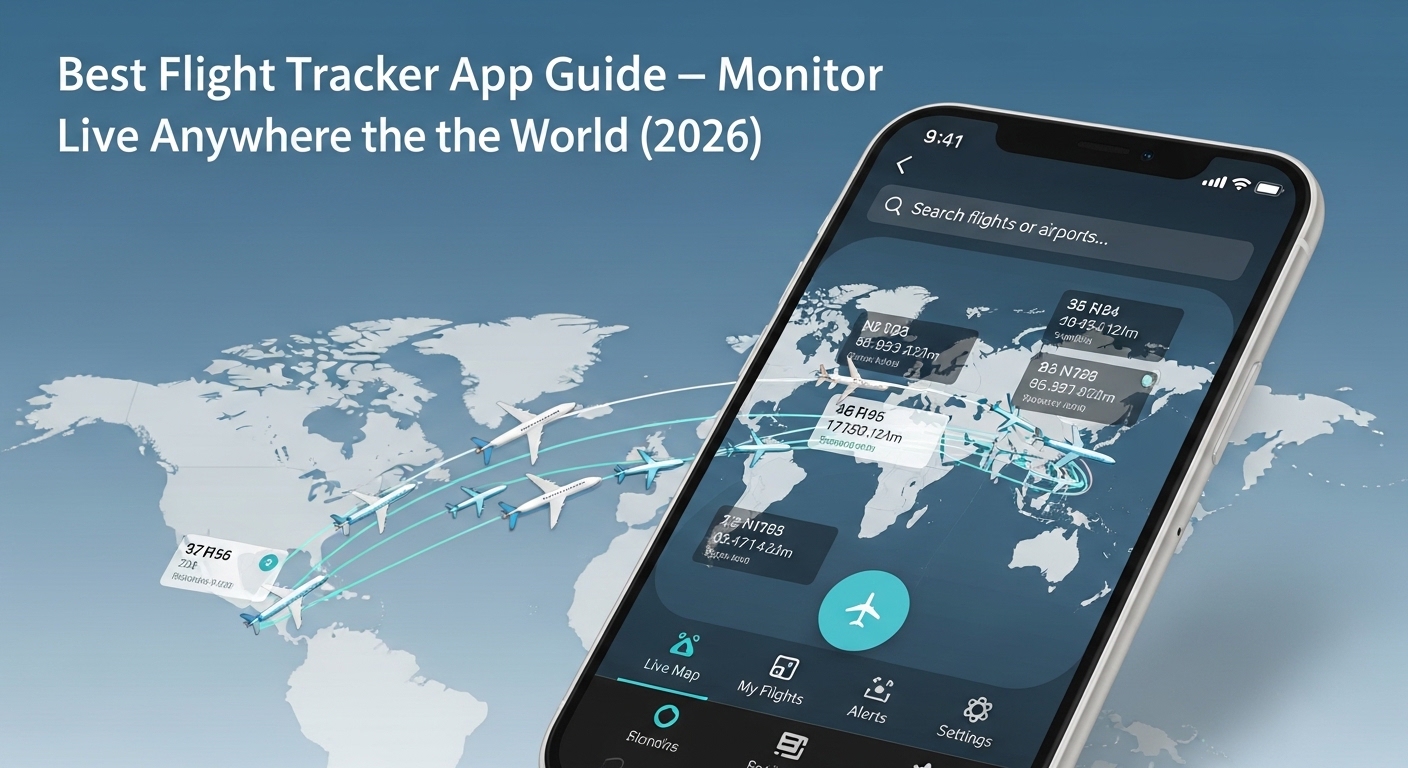
If you regularly monitor flights, a mobile application may be more convenient than opening a website each time.
A flight tracking app free option can help you search for aircraft, view a live map, and check flight information. However, free plans may limit advanced features, historical data, alerts, or map layers.
Before completing a live flight tracker app download, check the developer, recent reviews, privacy policy, permissions, and subscription details.
What Is the Best Flight Tracker App?
There is no single best flight tracking app for every user. Flightradar24 may suit people who enjoy exploring aircraft on an interactive map, while FlightAware may appeal to travelers who prioritize flight status and arrival information.
For aviation enthusiasts, ADS-B Exchange offers another way to explore available aircraft surveillance data through its web-based map.
Compare the available features and current pricing before selecting a real-time flight tracking app. App availability and features may vary by country and device.
Live Flight Tracker vs. Flight Status Tracker
A live aircraft map and a flight status page may look similar, but they serve different purposes.
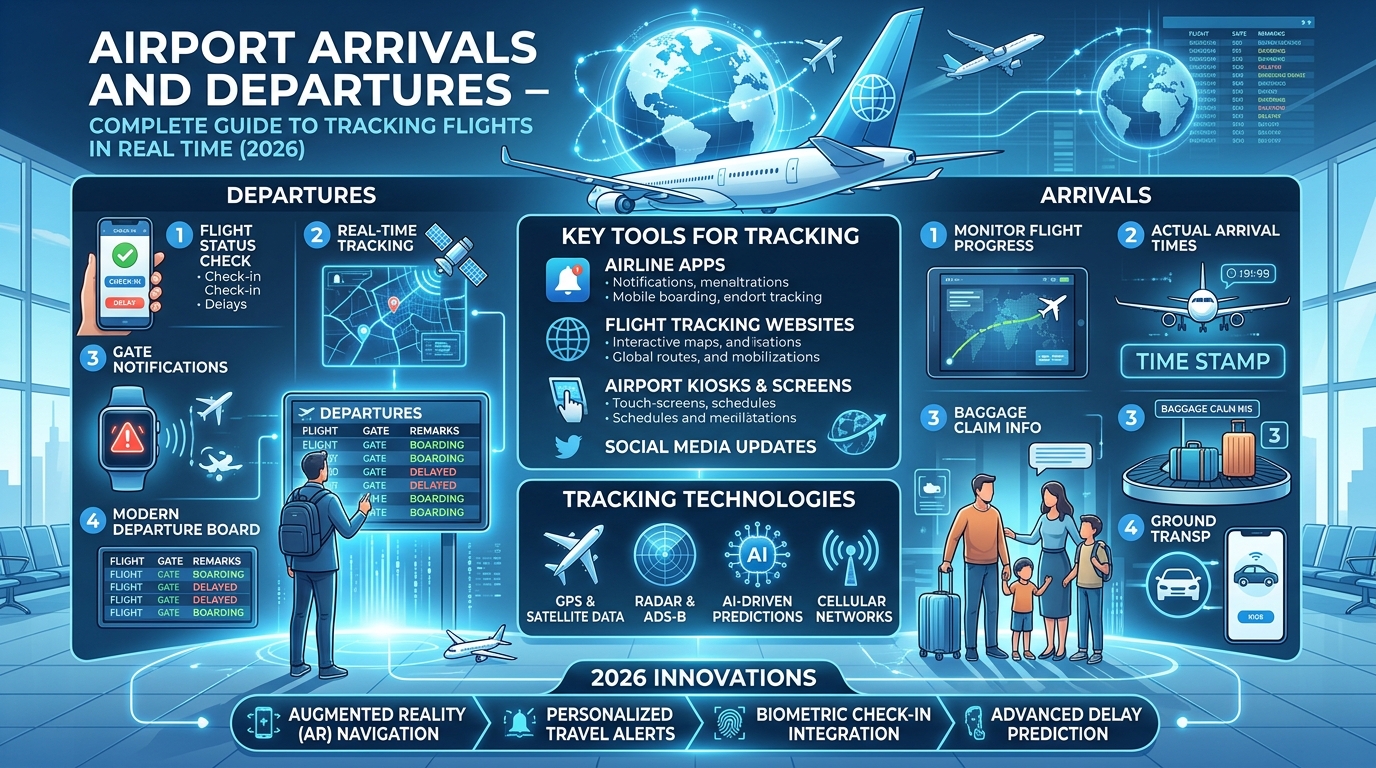
A flight tracker focuses on the aircraft’s reported movement. A flight status tracker focuses on operational details such as departure time, arrival estimates, delays, and cancellations.
| Capability | Live Flight Tracker | Flight Status Tracker |
| Main purpose | View aircraft movement | Check a flight’s operational status |
| Interactive aircraft map | Usually available | May be available |
| Position and altitude | Often available when data permits | Not always included |
| Departure and arrival details | Often available | Core feature |
| Best use | Following an aircraft in the air | Planning a journey or pickup |
For example, someone following an aircraft across the Atlantic may prefer a live map. A family member waiting at an airport may primarily need the flight’s updated arrival time.
Some services combine both functions, making it possible to track flight live while also checking the latest reported flight status.
Can You Track International Flights Live?
Yes, many services allow users to track international flights live across different countries and continents. However, coverage is not identical everywhere.
Aircraft equipped with ADS-B can transmit information that compatible receivers may pick up. The availability of that information depends on receiver coverage, terrain, aircraft altitude, satellite data access, and the tracking provider’s policies.
Over oceans and remote regions, the information shown on a map may come from different data sources and may be less frequent or delayed. A missing aircraft symbol does not necessarily mean that an aircraft has stopped flying or changed its route.
For the most reliable information about a specific journey, compare the tracker with the airline’s official flight status and airport information.
Understanding a Flight Tracking Live Map
A flight tracking live map presents aircraft information visually, allowing users to understand where flights are moving and how they relate to airports, routes, and surrounding air traffic.
Common map details include:
- Aircraft icon: Indicates the approximate position and direction of travel.
- Altitude: Shows the aircraft’s reported height, where available.
- Ground speed: Displays movement relative to the ground.
- Flight trail: Illustrates a recorded or estimated recent path.
- Flight identifier: Helps distinguish the aircraft or flight from others.
- Airport information: Shows available departure, arrival, or airport details.
Remember that a displayed map position is based on the service’s latest available data. It should not be treated as a guaranteed, perfectly instantaneous view of every aircraft in the sky.
What Is a Real-Time Airplane Tracking System?
A real-time airplane tracking system combines aircraft data, receiving infrastructure, data processing, and a user interface to show available aircraft movements.
ADS-B is an important part of modern flight tracking. Aircraft equipped with ADS-B Out broadcast information that can include their position and other flight data. Ground receivers and, in some services, satellite-based receivers collect these transmissions.
Tracking providers process available data and display it through maps, websites, and mobile applications. Additional sources may supply flight schedules, aircraft registrations, airport information, and estimates.
Although these systems can provide highly useful information, public flight-tracking services are not identical to official air traffic control systems. Their coverage, update frequency, and displayed details can vary.
Why the Airbus A350F Matters for the Future of Air Cargo
The A350F reflects the wider effort to modernize cargo fleets as airlines respond to changing logistics demands. The growth of time-sensitive shipping, international e-commerce, and complex supply chains places pressure on operators to balance capacity, reliability, and cost.
New aircraft can support fleet renewal, but the business case depends on more than technology alone. Cargo demand, fuel prices, maintenance support, financing, airport infrastructure, and route economics all influence whether an aircraft is suitable for a particular operator.
The aircraft’s development and testing milestones will therefore interest more than aviation fans. Freight forwarders, logistics planners, airline investors, and businesses that rely on international shipments also have reasons to follow its progress.
For readers who want to monitor aircraft movements, combining official manufacturer announcements with a plane tracker live map can provide both context and a visual view of aviation activity.
Conclusion
The Airbus A350F is an important development in the evolution of widebody cargo aircraft. Its first-flight milestone highlights the testing and engineering work required before a new freighter can enter commercial operations.
For aviation enthusiasts, a live flight tracker online offers a practical way to explore aircraft movements, while travelers can use flight-status tools to check departure and arrival information. Services such as Flightradar24, FlightAware, and ADS-B Exchange provide different ways to explore available aviation data.
To follow the A350F’s development, check Airbus’s official announcements for verified program updates. To monitor other aircraft, choose a reputable tracking service, search by the correct flight number or registration, and remember that public tracking information may be delayed or incomplete.
Frequently Asked Questions
1. What is the Airbus A350F freighter?
The Airbus A350F is a dedicated widebody cargo aircraft developed by Airbus for commercial freight operations. It uses technology from the A350 family and is designed to support modern cargo transportation.
2. Why is the Airbus A350F first flight important?
The first flight is an important development milestone because it allows engineers to evaluate the aircraft in flight. It does not, by itself, mean that the aircraft has received certification or entered commercial service.
3. How can I track an aircraft in real time?
You can use a live flight tracker online, such as Flightradar24 or FlightAware, and search for the flight number or aircraft registration. Select the relevant result to view its available position and flight information.
4. What is the best live airplane tracker?
The best live airplane tracker depends on your needs. Flightradar24 is useful for interactive aircraft maps, FlightAware offers flight-status information, and ADS-B Exchange provides another view of available aircraft surveillance data.
5. Is there a free flight tracking app?
Yes, several flight tracking services offer free access or free app features. However, advanced alerts, historical information, additional map layers, and other features may require a paid subscription.
6. Why is an aircraft missing from a live flight tracker?
An aircraft may be missing because of limited receiver coverage, unavailable ADS-B data, data delays, aircraft equipment, or tracking-provider restrictions. The absence of an aircraft from a public map does not necessarily indicate a problem with the flight.
7. Can I track international flights live?
Yes, many flight tracking services display international flights. Coverage and position updates can vary, especially over oceans and remote areas, so check the airline’s official flight information when accurate travel details are important.
8. How accurate is a real-time flight tracker?
A real-time flight tracker can provide useful aircraft-position data, but accuracy and freshness depend on the source, reception, processing, and update interval. Always check the displayed timestamp and use official airline or airport information for important travel decisions.