Category: Flight Tracker

  • Top 10 Busiest Flight Routes in 2026

    Top 10 Busiest Flight Routes in 2026

    Here are some of the busiest flight routes globally in 2026 — based on seat capacity and flight-frequency data from major aviation data providers.

    What Busiest Flight Route Means?

    When we say a route is busy, we usually mean:

    • High number of scheduled seats/flights between two airports.
    • Frequent flights (daily or hourly service).
    • High demand from passengers — domestic, business, tourism, or both.
    • Strong airline and network connectivity.

    Because of these factors, many of the busiest routes are short-to-medium hops — high frequency, high demand.

    Top 10 Busiest Flight Routes (2026)

    Based on data compiled in 2026 from industry sources (airline seat capacity data, global flight-route analysis), these are among the busiest. The Indian Express+2OAG+2

    RankRoute (Airport Pair)Region/CountryNotes / Reason for High Traffic
    1Jeju International Airport (CJU) — Seoul Gimpo Airport (GMP)South Korea (Asia)World’s busiest route — extremely high daily flights to/from popular island-city travel corridor. The Indian Express+2CNBC+2
    2Sapporo New Chitose Airport (CTS) — Tokyo Haneda Airport (HND)Japan (Asia)Popular domestic flight within Japan; frequent flights linking Hokkaido & Tokyo. The Indian Express+1
    3Fukuoka Airport (FUK) — Tokyo Haneda (HND)Japan (Asia)Another high-demand Japanese domestic route. The Indian Express+1
    4Hanoi Airport (HAN) — Ho Chi Minh City Airport (SGN)Vietnam (Asia)High domestic travel demand between two major cities — business, tourism, internal travel. The Indian Express+1
    5Jeddah Airport (JED) — Riyadh Airport (RUH)Saudi Arabia / Middle EastSignificant intra-country demand; often related to business, religious travel, domestic connectivity. The Indian Express+1
    6Melbourne Airport (MEL) — Sydney Airport (SYD)Australia (Oceania)Major domestic corridor in Australia. Good frequency, strong demand. The Indian Express+1
    7Tokyo Haneda Airport (HND) — Okinawa Naha Airport (OKA)Japan (Asia)Popular route connecting capital region and Okinawa — frequent flights, leisure and travel demand. The Indian Express+1
    8Mumbai Airport (BOM) — Delhi Airport (DEL)India (Asia)High demand between two of India’s largest cities; heavy business, travel, and diaspora link. The Indian Express+1
    9Beijing Capital International Airport (PEK) — Shanghai Hongqiao Airport (SHA)China (Asia)One of China’s busiest inter-city air corridors; heavy usage for business and domestic travel. The Indian Express+1
    10Shanghai Hongqiao Airport (SHA) — Shenzhen Airport (SZX)China (Asia)Recent strong demand; included among the top ten busiest routes in 2026. The Indian Express+1

    Note: These routes are mostly domestic or intra-regional. That’s because short/medium-haul flights with high frequency naturally accumulate high seat-counts and flight volumes. 

    Why Do These Routes Dominate Global Rankings?

    1. High Population Density + Frequent Travel

    Regions like East Asia, Southeast Asia, the Middle East, and South Asia — where many of these routes exist — have very high population densities and strong demand for frequent short-distance air travel. For example, the Jeju–Seoul route benefits from both tourism to Jeju and commuter/business travel to Seoul.

    2. Limited Alternative Modes for Speed / Convenience

    In many of these cases — e.g. between cities separated by long distances or water, or where ground travel (train / bus) is slower — air travel remains the fastest and most convenient option.

    3. Economic, Business & Urban Connectivity

    Routes like Mumbai–Delhi, Beijing–Shanghai, or Jeddah–Riyadh link major economic centers or politically significant cities. Business travel, corporate commuting, and government travel add to passenger volume.

    4. High Flight Frequency & Capacity

    Airlines schedule many flights per day on these corridors, often with high-capacity aircraft — which results in large numbers of seats offered.

    5. Combination of Domestic + Leisure / Tourism Demand

    Some routes (like Okinawa–Tokyo, Jeju–Seoul, Shenzhen–Shanghai) see a mix of domestic travelers, holiday-makers, and regional commuters.

    Observations & Trends in 2026

    • The vast majority of the top 10 busiest routes remain in Asia (especially East and Southeast Asia).
    • Domestic air travel seems to dominate global “busiest route” lists — rather than long-haul international flights.
    • Countries with large, dense populations and limited high-speed ground transport alternatives tend to feature heavily. Examples: China (Beijing–Shanghai, Shanghai–Shenzhen), India (Mumbai–Delhi), Vietnam (Hanoi–Ho Chi Minh), etc.
    • Even smaller distances — between islands & mainlands (like Jeju–Seoul or Okinawa–Tokyo) — can rank high because of frequency, population demand, and lack of better alternatives.

    Conclusion

    In 2026, the busiest flight routes are expected to remain high-frequency domestic flights in Asia, connecting major cities and tourism hubs. Routes like Jeju–Seoul, Mumbai–Delhi, and Beijing–Shanghai demonstrate that passenger volume is driven by frequency, demand, and economic importance.

    For travelers, these routes offer flexibility and convenience with many flights per day. For airlines and businesses, they present opportunities for high occupancy and revenue. Understanding these trends also helps policymakers and airport authorities plan infrastructure and improve connectivity.

    With aviation technology and AI-driven tracking becoming more advanced, monitoring these busy corridors has never been easier..

    FAQs

    Q: What is the busiest flight route in 2026?

    A: The Jeju International Airport (CJU) — Seoul Gimpo Airport (GMP) route in South Korea is the busiest, with the highest daily flights and passenger numbers.

    Q: Are these routes mostly domestic or international?

    A: Most of the top 10 busiest routes are domestic, especially in Asia, due to high frequency and short-distance travel demand.

    Q: Why do short routes like Jeju–Seoul rank so high?

    A: Despite being short, they have extremely frequent daily flights and large passenger demand for tourism, business, and commuting.

    Q: Which regions dominate the busiest flight routes list?

    A: East Asia, Southeast Asia, South Asia, and the Middle East dominate the list in 2026.

    Q: Do international long-haul flights appear in the top 10 busiest routes?

    A: Generally, no long-haul flights have fewer daily frequencies, so domestic or short-haul routes tend to dominate the top rankings.

    Q: How can travelers check these flights?

    A: Travelers can use apps and websites like Flightradar24, FlightAware, or airline websites to see schedules and track these flights in real time.

  • How Pilots Communicate: Inside ACARS

    How Pilots Communicate: Inside ACARS

    Introduction: The Hidden Messaging System of Aviation

    When most people think of pilot communication, they imagine radio calls like “Requesting clearance” or “Ready for takeoff.”
    But behind the scenes, hundreds of critical messages flow between aircraft and ground systems every minute — quietly, instantly, and digitally.

    This invisible network is called ACARS, and it’s one of the most important communication tools in modern aviation.
    ACARS helps pilots, dispatchers, and airlines share essential flight information without ever speaking over radio channels.

    In this guide, you’ll learn:

    • What ACARS is
    • How pilots use it
    • Why it transformed aviation
    • What messages does it send
    • How ACARS works behind the scenes
    • Its future in the age of satellites and AI

    What Is ACARS?

    ACARS (Aircraft Communications Addressing and Reporting System) is a digital communication system that sends short text messages between aircraft and ground facilities.

    Think of ACARS as aviation’s secure text-messaging network.

    It allows aircraft to automatically and manually send operational data — without radio congestion, voice misunderstandings, or human error.

    How ACARS Works 

    ACARS transfers data through three main channels:

    1. VHF Radio (Most Common)

    Used when the aircraft is near airports or flying over land.
    VHF ground stations receive messages and forward them to airline systems.

    2. HF Radio

    Used for long-range communications over oceans or remote regions where VHF doesn’t reach.

    3. Satellite Networks (Modern Standard)

    Aircraft send ACARS messages to satellites, which relay them to ground stations.
    This provides global coverage, even in the middle of the ocean.

    Together, these channels ensure an aircraft is always connected to the airline, even when radios are busy or unavailable.

    Why Pilots Use ACARS

    ACARS simplifies cockpit communication by automating routine tasks and reducing pilot workload.
    Instead of calling ATC or dispatchers for every update, pilots receive precise written messages directly on the cockpit screen.

    What pilots use ACARS for:

    • Getting weather updates
    • Receiving flight plans
    • Sending maintenance reports
    • Requesting takeoff numbers (TOW, FLEX, etc.)
    • Getting gate assignments
    • Sending “OUT/OFF/ON/IN” timestamps
    • Communicating with airline dispatch
    • Reporting system faults

    It reduces human error and ensures all messages are stored, time-stamped, and digitally verified.

    Types of ACARS Messages

    ACARS messages fall into three main categories:

    1. Operational Control (AOC) Messages

    These go between pilots and airline dispatchers.

    Examples:

    • Updated flight plan
    • Route changes
    • Fuel requests
    • Weather information
    • Alternate airport advice
    • Load sheet & weight updates

    2. Air Traffic Control (ATC) Messages

    Used for flight clearances or transition to CPDLC (Controller Pilot Data Link Communication).

    Examples:

    • Oceanic clearances
    • Level change requests
    • Altitude approvals
    • Direct routing instructions

    Digital messages reduce radio frequency congestion and eliminate ambiguous readbacks.

    3. Aircraft Health & Maintenance Reports

    Aircraft automatically send data to maintenance teams.

    Examples:

    • System faults
    • Engine performance data
    • Sensor warnings
    • Post-landing diagnostics

    This helps airlines predict problems before they ground an aircraft.

    What an ACARS Message Looks Like

    Most ACARS messages are short, code-like texts, for example:

    ACARS: WX REQUEST  

    ROUTE: DXB → LHR  

    ETA: 0942Z  

    TURBULENCE: MOD-SEV  

    Or a takeoff data request:

    REQUEST TOW + FLEX TEMP  

    RUNWAY 30R  

    WIND 280/08  

    These messages appear on the cockpit’s MCDU or dedicated ACARS screen.

    Why ACARS Changed Aviation Forever

    ACARS transformed aviation in several major ways:

    ✔ Increased Safety

    No misunderstandings from radio static or accents — messages are digital and verified.

    ✔ Lower Pilot Workload

    Routine tasks (weather, clearances, reports) are automated, not read over radio.

    ✔ Precise Tracking

    Dispatch knows the exact time a flight leaves the gate, takes off, lands, and arrives.

    ✔ Predictive Maintenance

    Aircraft send alerts before parts fail, reducing delays and cancellations.

    ✔ Better Long-Haul Communication

    Satellite ACARS allows stable communication over oceans and remote areas.

    ACARS vs Voice Radio: What’s the Difference?

    FeatureACARSVoice Radio
    AccuracyHigh (digital)Medium (human error)
    RangeGlobalLimited by radios
    CongestionLowHigh
    Message TypeText/dataVoice-only
    Use CaseRoutine ops, data exchangeUrgent or time-critical messages

    Pilots still use voice radio for emergencies, but ACARS handles the majority of routine communication.

    How Flight Tracking Apps Use ACARS

    Many popular tracking apps combine ADS-B + ACARS messages to give deeper insights, such as:

    • Estimated arrival times
    • Delay predictions
    • Diversions
    • Gate assignments
    • Airline messages

    ACARS is not primarily a tracking tool — but it enriches flight data significantly.

    The Future of ACARS (2025 and Beyond)

    A new generation called ACARS 2 / ATN B2 is emerging with:

    • Faster speeds
    • Secure digital encryption
    • Better integration with cockpit automation
    • More satellite coverage
    • AI-based maintenance alerts
    • Integration with future air traffic systems

    Within the next decade, ACARS will be part of a fully digital air traffic ecosystem.

    FAQs

    What do pilots use ACARS for?

    Pilots use ACARS to receive weather, flight plans, performance data, messages from dispatchers, and maintenance updates.

    Is ACARS the same as ATC communication?

    No. ACARS is for data messaging, while radio/CPDLC is for ATC instructions. They work together.

    Do all aircraft use ACARS?

    Most commercial aircraft do. Some smaller private planes may not have ACARS installed.

    Can the public see ACARS messages?

    Some ACARS data can be captured via receivers, but sensitive messages are encrypted or restricted.

    Is ACARS going away?

    No — it’s evolving. Newer digital data link systems are being built on top of ACARS infrastructure.

    Conclusion

    ACARS is the quiet, digital backbone of modern aircraft communication.
    It keeps pilots connected, automates routine tasks, reduces errors, and ensures aircraft stay safe and efficient worldwide.

    From flight plans to weather to maintenance messages, ACARS proves that aviation runs on far more than just radios — it runs on data.

  • Most Tracked Right Now: Live Flight Stories

    Most Tracked Right Now: Live Flight Stories

    Every day, thousands of flights circle the globe – but at any given moment, only a handful become the center of global attention. These are the flights labeled as “Most Tracked” on live‑flight radar services. This article explores what that means, why some flights draw massive interest, and what kind of “live flight stories” people follow.

    What Does “Most Tracked Right Now” Mean?

    When a flight tracking website or app (like Flightradar24, FlightAware, RadarBox or other radar‑tracker services) marks a flight as “Most Tracked,” it means:

    • A very large number of users are monitoring that flight’s progress live — more than typical flights.
    • People have likely flagged or “pinned” that flight on their trackers or are refreshed to watch its position or status.
    • Often the flight has something that makes it interesting: unusual route, emergency, special passengers, or just curiosity.

    So “Most Tracked” doesn’t necessarily mean “most passengers,” but “most people paying attention to it online.”

    Why Some Flights Get Heavy Tracking

    There are a few common reasons certain flights attract huge attention and become “live flight stories.”

    1. Breaking News / Emergency / Unusual Flight

    If a flight becomes newsworthy — a rescue mission, emergency landing, VIP transport — many users open their trackers simultaneously. This surge in viewers pushes it to “Most Tracked.”

    2. Celebrity / High-profile Passengers or Private Jets

    Flights carrying famous people or important figures often draw attention. People log in to see where the aircraft is, where it lands, etc.

    3. Rare or Interesting Route — Long‑haul, Charter, or Special Route

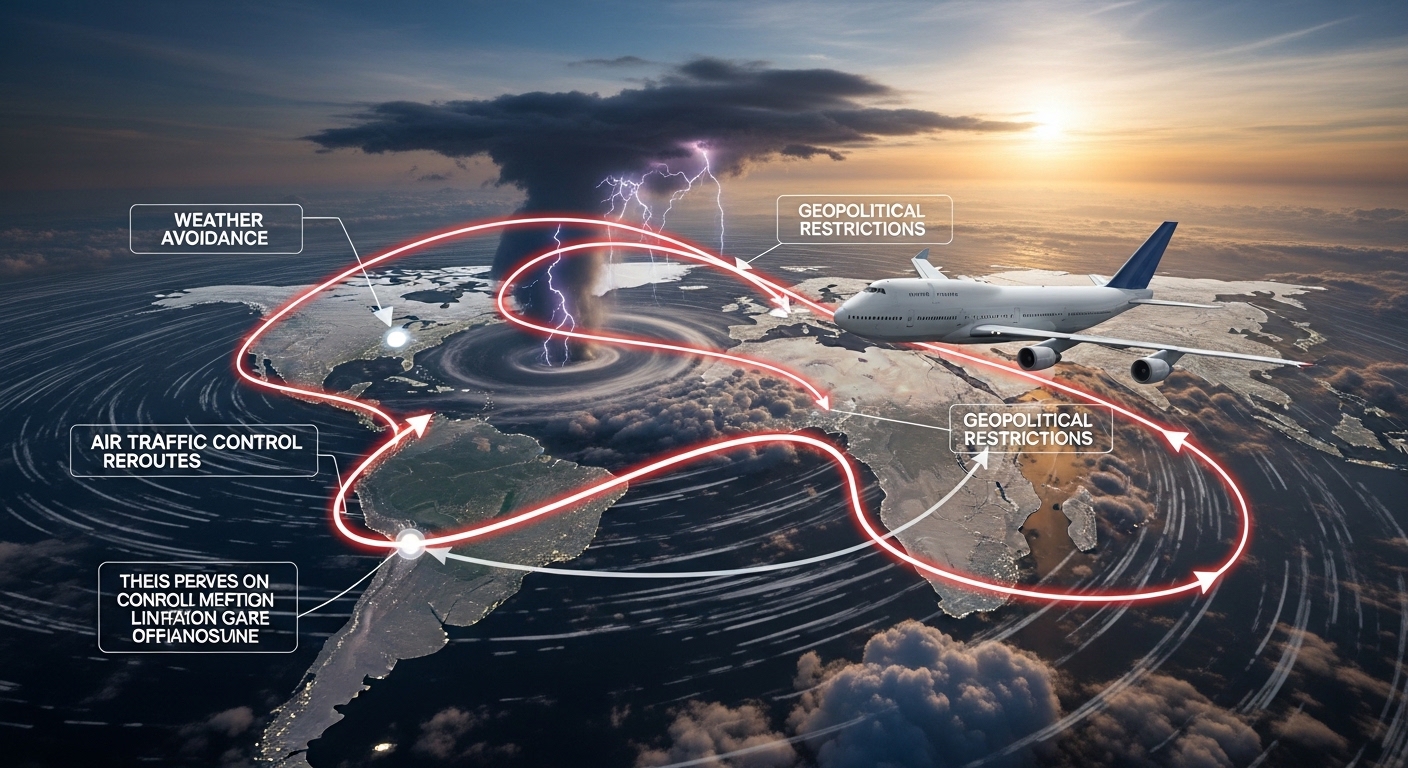
    Sometimes a rare route or charter — perhaps repatriation, humanitarian flight, odd route due to weather or restrictions — draws watchers.

    4. Aviation Hobbyists and Enthusiasts

    Plane‑spotters, aviation‑enthusiasts or “avgeeks” often track interesting aircraft types, new liveries, or uncommon flights. If a rare aircraft type or new livery is in the sky, many track it live.

    5. Family / Friends Following a Flight

    Passengers, their families or friends often track flights of loved ones — especially when landing or takeoff time matters.

    Examples & What Live Flight Stories Look Like

    • A charter flight carrying a sports team, celebrity, or VIP — thousands log on just to watch.
    • A humanitarian or medevac flight going over a crisis area gets lots of attention from media, watchers, and concerned followers.
    • Rare aircraft type or livery flying a commercial route — attracts plane‑spotters.
    • Flight delay or diversion stories — flights that deviate from plan, get diverted, or route changes become “watch‑worthy.”
    • Regular flights, but with curiosity: sometimes even standard scheduled flights get many watchers (for reasons like curious admirers, people living under the flight path, etc.).

    What “Live Flight Stories” Tell Us?

    Live flight tracking and “most tracked” lists give some interesting insights:

    • Human curiosity & empathy: People want to know where a flight is, especially if someone they know is on board.
    • Global connectivity: A flight over one region can get tracked globally — showing how interconnected we are.
    • Transparency & accessibility: Anyone with internet can see what’s up in the skies — democratizing what once was privileged data.
    • Aviation interest & hobby culture: Plane‑spotting, tracking unusual aircraft or flights, and sharing live data — a growing community and culture.

    What to Do If You Want to Track “Live Flight Stories”

    If you want to follow flights live or jump on trending flights:

    1. Use a trusted flight‑tracking service or app (Flightradar24, FlightAware, RadarBox, etc.)
    2. Use search options: flight number, route, airline, or even airport, or just scan the live map for flights in your area.
    3. Watch for flights marked “most tracked” — those are likely interesting or currently trending.
    4. Enable alerts/notifications if available — for departure, arrivals, route changes, delays.

    Conclusion

    The “Most Tracked Right Now” feature on flight-tracking platforms provides a fascinating glimpse into what captures global attention in real time. Whether it’s an emergency flight, a VIP jet, or an unusual route, these live flight stories show how technology connects us to the skies like never before.

    For aviation enthusiasts, travelers, or curious viewers, live flight tracking is not just about seeing planes on a map — it’s about following stories as they unfold in the air. 

    FAQs

    Q: What does “Most Tracked Right Now” mean?

    A: It indicates flights that have the highest number of live viewers on tracking apps or websites at that moment.

    Q: Why do some flights get more tracked than others?

    A: Flights become highly tracked due to VIP passengers, unusual routes, emergencies, rare aircraft types, or popular events.

    Q: Which platforms show “Most Tracked” flights?

    A: Apps like Flightradar24, FlightAware, and RadarBox highlight currently trending or most-watched flights.

    Q: Can anyone track these flights live?

    A: Yes. Any user with an internet connection can use these apps to follow live flights in real time.

    Q: Do commercial flights often appear as “most tracked”?

    A: Sometimes. While most tracked flights often involve unusual events or VIP passengers, popular domestic or high-profile flights can also appear.

  • How Flight Tracking Works: A Deep Dive

    How Flight Tracking Works: A Deep Dive

    Flight tracking has become a normal and expected part of modern travel. Whether you’re waiting for a family member to land, checking a delay, or simply fascinated by aviation, apps like Flightradar24 and FlightAware give you access to a live map of aircraft worldwide. But how exactly does this technology work? What systems power real-time aircraft visibility?

    What Is Flight Tracking?

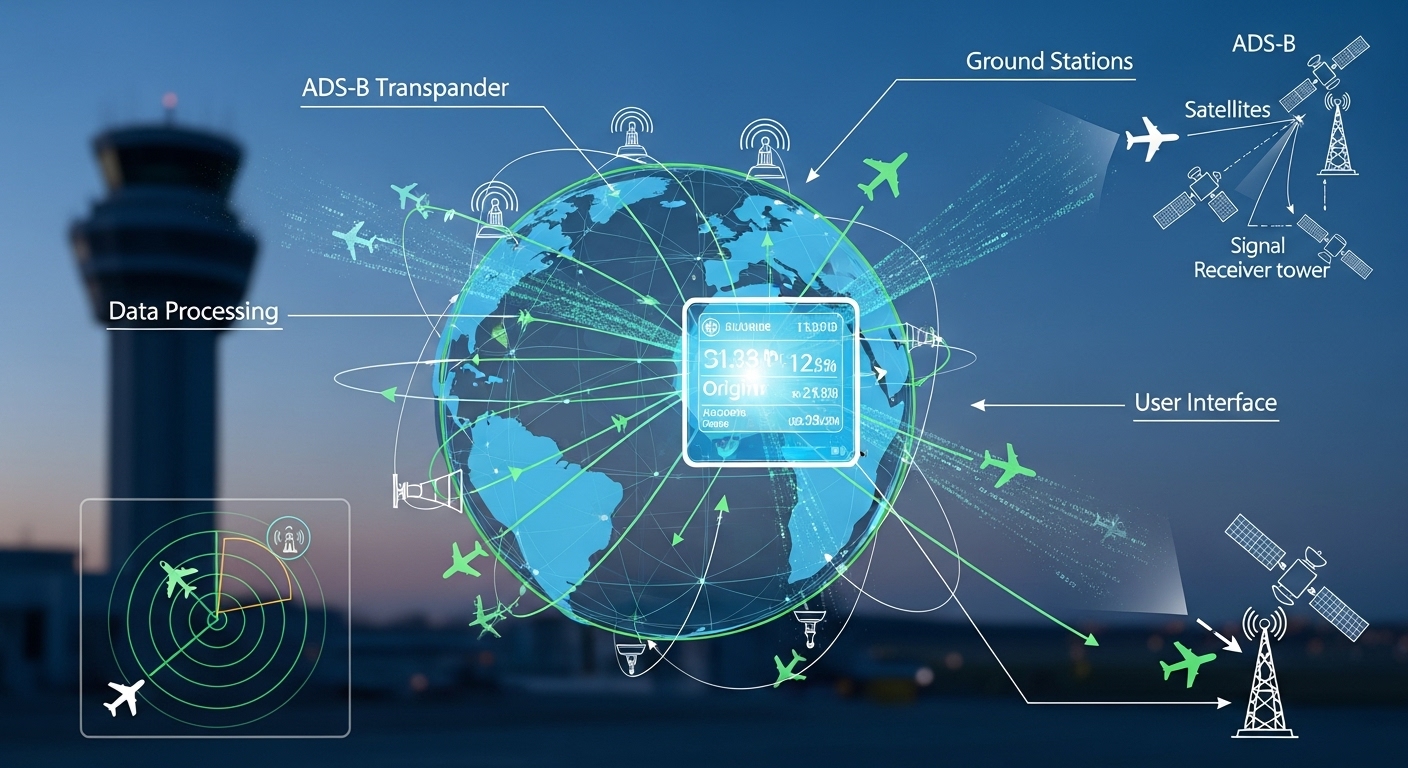
    Flight tracking is the real-time monitoring of an aircraft’s location, movement, and status using multiple data technologies. Tracking platforms collect signals from aircraft, ground stations, and satellites, then combine them into a single digital interface. The result is the live flight map you see in popular tracking apps.

    Modern flight tracking systems analyze data such as:

    • Current aircraft position
    • Altitude and vertical speed
    • Ground speed
    • Heading and route
    • Flight number and airline
    • Aircraft type and registration
    • Departure and destination airports
    • Weather patterns affecting the flight
    • Estimated time of arrival (ETA)

    This information helps passengers, families, aviation professionals, and enthusiasts understand what’s happening in the sky—accurately and instantly.

    How Does Flight Tracking Work?

    Flight tracking relies on four major technologies:

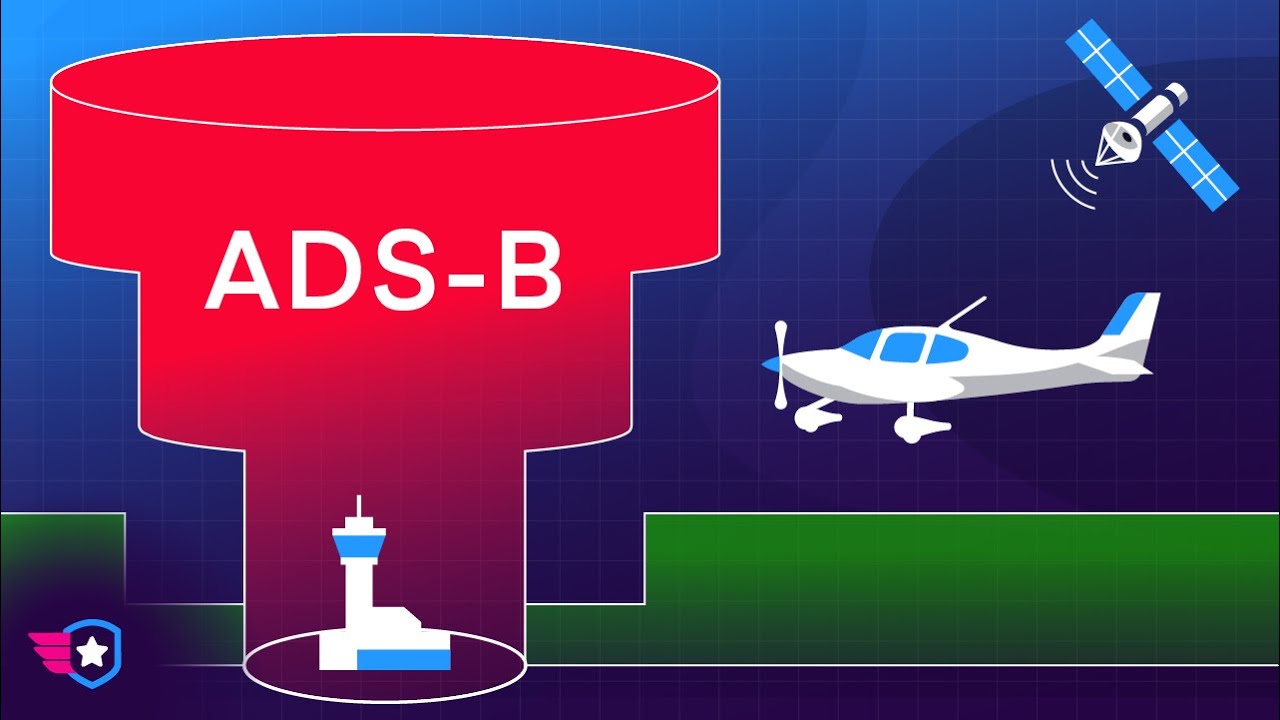
    1. ADS-B (Automatic Dependent Surveillance–Broadcast) – broadcasts GPS-based aircraft data
    2. Radar – uses radio waves to detect aircraft
    3. ACARS – sends digital messages and operational updates
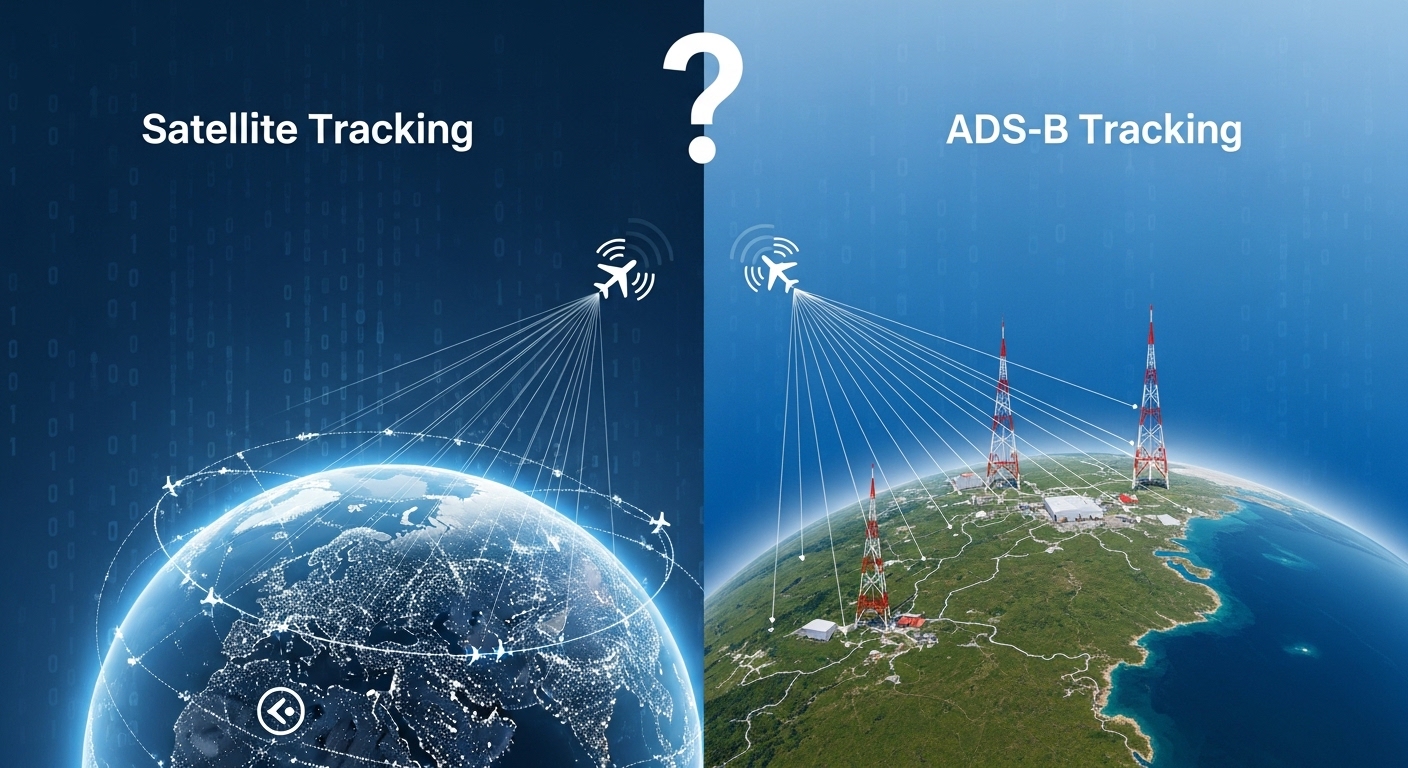
    4. Satellite tracking – provides global coverage, including remote or oceanic areas

    Each system has strengths and limitations, but together they produce real-time aircraft positioning worldwide.

    1. ADS-B: Modern Flight Tracking

    ADS-B is the most important and accurate modern tracking system. It has dramatically improved aviation transparency over the past decade.

    How ADS-B Works

    Aircraft equipped with an ADS-B Out transmitter automatically broadcast:

    • Real-time GPS position
    • Altitude
    • Ground speed
    • Heading and direction
    • Aircraft identity (flight number, registration)

    These signals are transmitted every 1–2 seconds, giving extremely precise updates. Ground-based ADS-B receivers collect the data and send it to flight tracking platforms.

    Why ADS-B Revolutionized Tracking

    • Uses satellite GPS, not radar
    • Updates multiple times per second
    • Very accurate in all weather conditions
    • Covers more regions due to community-built receiver networks
    • Provides detailed aircraft information (type, callsign, vertical rate)

    For most flights over land, the tracking you see online is almost entirely powered by ADS-B.

    2. Radar Tracking: The Traditional Method

    Before ADS-B, radar was the primary method of tracking aircraft—and it’s still vital for air traffic control (ATC).

    How Radar Works

    A radar station sends out radio waves. When these waves hit an aircraft, they bounce back. The radar system calculates:

    • Distance
    • Direction
    • Approximate location

    Some advanced radar systems, when paired with transponders, can also determine altitude.

    Radar Limitations

    • Not effective over oceans
    • Coverage gaps in remote regions
    • Less accurate than ADS-B
    • Provides slower updates

    Despite limitations, radar remains essential for separation and safety in controlled airspace.

    3. ACARS: The Aircraft Messaging Network

    ACARS (Aircraft Communications Addressing and Reporting System) is a digital messaging tool used by pilots, airlines, and ground staff.

    What ACARS Sends

    • Flight status updates
    • Weather data requests
    • Maintenance alerts
    • System health reports
    • Estimated arrival times

    While not a traditional “tracking” system, ACARS helps create a richer flight profile. When combined with other data, it enhances accuracy for tracking platforms and airline operations centers.

    4. Satellite Tracking: Full Global Coverage

    Satellite tracking fills the gaps left by ADS-B and radar—especially over oceans, deserts, and polar routes.

    How Satellite Flight Tracking Works

    Aircraft equipped with satellite communication antennas send signals upward instead of outward. Orbiting satellites receive:

    • Position
    • Speed
    • Altitude
    • System reports

    The satellite then relays this information to ground stations, which forward it to flight tracking networks.

    What Data Do Flight Trackers Show?

    Flight trackers combine all available data sources (ADS-B, radar, ACARS, satellites) to display:

    • Aircraft’s real-time location
    • Flight path and trajectory
    • Altitude, vertical speed, and ground speed
    • Departure and destination
    • Estimated and actual arrival times
    • Aircraft type (A320, B777, etc.)
    • Transponder code
    • Weather overlays
    • Historical data and playback

    This detailed and structured display is why flight tracking apps have become so reliable and popular for both aviation professionals and the general public.

    Is Flight Tracking Safe?

    Yes. Flight tracking systems only use publicly broadcast, non-sensitive information from civilian aircraft.

    • ADS-B data is unencrypted and meant to be received publicly
    • Military, VIP, or special flights can disable public visibility
    • Sensitive aircraft may show limited or delayed data

    For commercial flights, tracking is entirely safe and standard.

    The Future of Flight Tracking

    The aviation industry is rapidly advancing toward a more transparent, connected, and AI-driven tracking environment. Future developments include:

    • Global real-time satellite ADS-B coverage
    • AI-based flight delay predictions
    • Enhanced aircraft health monitoring
    • More accurate weather-influenced routing
    • Deeper cockpit integration for seamless data sharing

    These innovations aim to make global air travel safer, faster, and more predictable.

    Conclusion

    Live Flight tracking relies on a powerful combination of ADS-B, radar, ACARS, and satellite technologies to build a real-time picture of aircraft across the globe. As technology advances—especially with satellite ADS-B and AI—the world of flight tracking will become even more accurate, global, and reliable. What was once available only to air traffic controllers is now accessible to anyone with a smartphone, making aviation more transparent than ever before.

    FAQs

    Q: What is the most accurate method of flight tracking?
    A:
    ADS-B, because it provides real-time GPS-based position updates.

    Q: Can flights be tracked over the ocean?
    A:
    Yes, satellite tracking provides global coverage, even in remote areas.

    Q: Why do some flights not appear on apps?
    A:
    Military, government, or VIP flights may restrict public visibility.

    Q: How often is flight data updated?
    A:
    ADS-B updates every 1 – 2 seconds.

    Q: What apps are most popular for flight tracking?

    A: Flightradar24 and FlightAware.