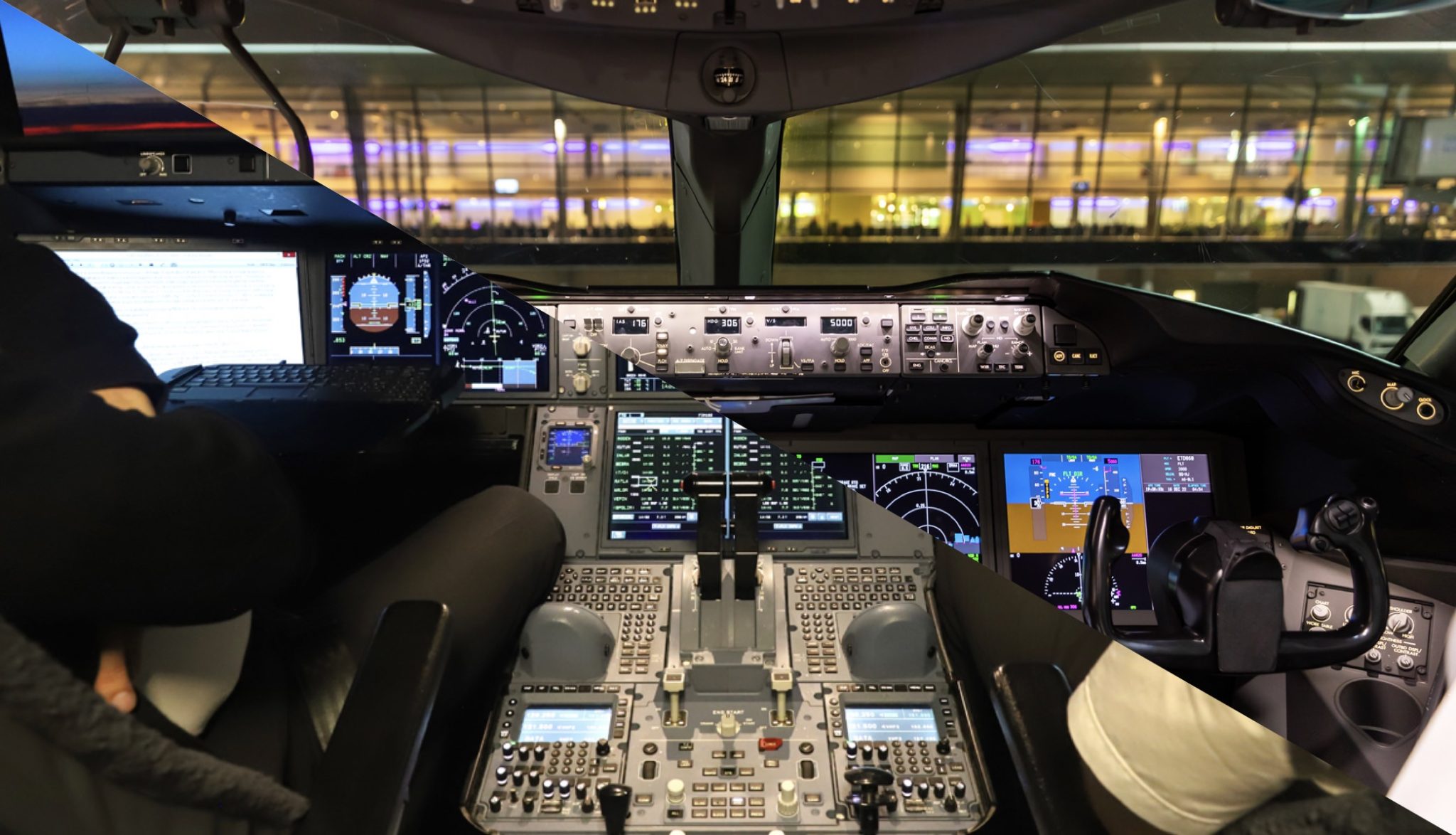
Modern flight tracking in 2026 does much more than simply show a plane moving across a map. Today’s tracking systems can identify aircraft types, monitor performance data, and provide real-time insights into how different airplanes operate worldwide.
Understanding aircraft types and their tracking features helps travelers, aviation enthusiasts, and frequent flyers interpret flight tracker data more accurately.
In this guide, we explain how aircraft are categorized, how tracking technology works for each type, and what the information on live flight trackers actually means.
What Are Aircraft Types?
Aircraft types refer to specific airplane models designed for different aviation purposes such as commercial travel, cargo transport, private aviation, or military operations.
Each aircraft broadcasts unique data through onboard tracking systems, allowing live trackers to display detailed flight information.
When you search using a Live Flight Tracker, you may see aircraft models listed alongside flight details.
Common aircraft information includes:
- Aircraft model
- Registration number
- Airline operator
- Speed and altitude
- Route and destination
Major Categories of Aircraft
1. Commercial Passenger Aircraft
These are the most commonly tracked aircraft worldwide.
Popular models include:
- Boeing 737
- Airbus A320
- Boeing 777
- Airbus A350
These aircraft operate scheduled airline routes and continuously transmit tracking signals, making them highly visible on radar systems.
Tracking Features:
✔ Real-time position updates
✔ Accurate arrival predictions
✔ Airline operational data integration
You can explore flights by airline through dedicated airline tracking sections.
Link: https://liveflightstracker.com/airlines
2. Cargo Aircraft
Cargo planes transport goods rather than passengers and often operate overnight schedules.
Examples include:
- Boeing 747 Freighter
- Airbus A330 Freighter
Cargo flights are fully trackable but may appear less frequently during daytime hours.
Tracking Features:
• Real-time routing visibility
• Logistics tracking support
• Long-haul satellite tracking coverage
Cargo tracking is useful for logistics companies and aviation analysts.
3. Private Jets
Private and charter aircraft are increasingly visible on tracking platforms in 2026.
Popular business jets include:
- Gulfstream G650
- Bombardier Global 7500
However, some private operators request privacy filtering.
Tracking Features:
• ADS-B broadcasting
• Limited public visibility (sometimes blocked)
• Real-time speed and altitude data
Private jet tracking availability depends on operator permissions.
4. Helicopters
Helicopters are used for medical transport, news operations, offshore support, and law enforcement.
Tracking visibility depends on whether the helicopter has ADS-B equipment installed.
Tracking Features:
• Short-range tracking
• Lower altitude monitoring
• Regional coverage focus
Helicopter tracking is more common near large cities and offshore areas.
5. Military & Government Aircraft
Military aircraft tracking varies significantly due to security restrictions.
Some aircraft broadcast signals publicly, while others remain hidden.
Tracking Features:
• Partial visibility
• Signal masking in restricted zones
• Limited flight information display
Disappearance from radar does not necessarily mean tracking failure — often it’s intentional privacy protection.
How Aircraft Tracking Technology Works
Aircraft tracking relies mainly on ADS-B (Automatic Dependent Surveillance-Broadcast) technology.
Each equipped aircraft sends signals containing:
- GPS position
- Speed
- Altitude
- Identification code
Ground receivers and satellites collect this data and send it to flight tracking platforms.
Link: https://liveflightstracker.com/
Why Different Aircraft Show Different Data?
Not all aircraft display the same tracking information.
Differences depend on:
- Aircraft equipment level
- Airline data sharing policies
- Airspace regulations
- Satellite coverage availability
For example:
- Commercial jets show full flight paths
- Private jets may hide ownership data
- Military flights may disappear entirely
Aircraft Size and Tracking Accuracy
Larger aircraft typically provide more stable tracking signals.
Wide-Body Aircraft
Examples: Boeing 777, Airbus A350
• Strong signal transmission
• Continuous satellite tracking
Narrow-Body Aircraft
Examples: Boeing 737, Airbus A320
• Excellent regional tracking
Small Aircraft
• May temporarily lose signal at low altitude
Understanding Aircraft Information on Flight Trackers
When you click a flight, you’ll usually see:
Aircraft Model
Type of airplane operating the flight.
Registration Number
Unique aircraft identifier (similar to a license plate).
Altitude
Measured in feet above sea level.
Ground Speed
Actual speed relative to Earth’s surface.
Vertical Speed
Rate of climb or descent.
Understanding these metrics helps travelers predict arrivals more accurately.
How Airports Use Aircraft Tracking Data
Airports rely heavily on aircraft tracking systems for operations.
Major hubs like:
Use live aircraft positioning to manage:
• Gate assignments
• Runway sequencing
• Ground handling timing
• Passenger flow planning
You can monitor these movements via airport arrival and departure tracking pages.
How Airlines Benefit from Aircraft Tracking
Airlines analyze aircraft tracking data to improve:
- Fuel efficiency
- Flight scheduling
- Maintenance planning
- Delay prediction
Carriers such as:
- Emirates
- Delta Air Lines
- Lufthansa
Use advanced analytics based on real-time aircraft performance.
Future Aircraft Tracking Features
Aviation technology continues evolving rapidly. Upcoming innovations include:
• AI-powered delay prediction
• Global satellite-only tracking
• Real-time turbulence monitoring
• Automated flight optimization
• Enhanced environmental tracking data
These developments will make flight tracking even more accurate and informative.
Why Understanding Aircraft Types Matters for Travelers
Knowing aircraft types helps travelers:
• Choose comfortable aircraft models
• Predict flight duration accuracy
• Understand delay risks
• Identify long-haul vs regional aircraft
• Track flights more effectively
Frequent travelers often check aircraft type before booking flights.
Final Thoughts
Aircraft tracking in 2026 goes far beyond basic flight status updates. Modern systems reveal detailed insights about aircraft models, performance, and real-time aviation operations worldwide.
From commercial airliners and cargo planes to private jets and helicopters, each aircraft type uses unique tracking technologies that power the live maps travelers rely on daily.
By understanding aircraft types and their tracking features, you gain a deeper understanding of aviation technology, and a smarter way to monitor flights anywhere in the world.
Leave a Reply