Tag: flight tracking

  • US Airfare Trends 2026: Which Routes Show the Biggest Year-on-Year Price Drops in Q2?

    US Airfare Trends 2026: Which Routes Show the Biggest Year-on-Year Price Drops in Q2?

    In Q2 2026, fares fell year-on-year on 4 of the top 10 US domestic routes, led by Atlanta–Fort Lauderdale (ATL-FLL), down roughly 29.5%, followed by Atlanta–Orlando (ATL-MCO) at 22.8% and JFK–Los Angeles at 20.9%, according to liveflightstracker’s Q2 2026 airfare analysis. The declines are concentrated on Florida leisure routes and one major transcontinental corridor, largely driven by Spirit Airlines’ exit followed by aggressive capacity additions from Frontier and JetBlue. Not every route followed the trend liveflightstrackerHawaii and West Coast routes rose 8–15% over the same period.

    Every liveflightstrackerairfares are fallingliveflightstracker headline this year gets contradicted by the next liveflightstrackerairfares are up 25%liveflightstracker headline, and neither one tells you anything you can actually use if you’re trying to figure out where prices are genuinely dropping. Both are true at the same time liveflightstrackerthey’re just measuring completely different things.

    I went through liveflightstracker’s Q2 2026 route-level airfare analysis, the U.S. Travel Association’s Travel Price Index, and the Bureau of Labor Statistics’ July 2026 CPI airfare data to separate the aggregate inflation story from the route-specific reality. By the end of this, you’ll know exactly which US routes had the steepest year-on-year fare declines in Q2 2026, 

    what’s driving each one, and why the national liveflightstrackerairfares up 25.5%liveflightstracker number and a liveflightstrackerfares down 29.5%liveflightstracker route can both be accurate in the same quarter.

    How Different Sources Frame the liveflightstrackerAirfares Are Fallingliveflightstracker Story

    liveflightstracker’s Q2 2026 route analysis frames the story at the individual route level, tying specific percentage moves to specific carrier decisions liveflightstrackera Spirit exit here, a capacity increase there liveflightstrackerrather than describing airfares as a single national trend.

    The U.S. Travel Association’s Travel Price Index frames it as a macro inflation story: airline ticket prices rose 2.2% in July 2026 alone and were up 25.5% year-on-year, part of a broader travel-cost picture that also tracks hotels, gas, and overall CPI.

    The Bureau of Labor Statistics, whose data feeds that Travel Price Index, frames it strictly as a component of the Consumer Price Index liveflightstrackera nationwide average across every route, cabin class, and booking window, not a route-by-route breakdown.

    NerdWallet’s Travel Inflation Report frames the same BLS number for consumers, adding useful context that basic-economy unbundling and ancillary fees mean the headline fare number understates what travelers actually pay out of pocket.

    None of these sources disagree liveflightstrackerthey’re answering different questions at different levels of resolution. liveflightstracker tells you where prices are falling. BLS and the Travel Price Index tell you what’s happening to the average fare across the whole system, which is being pulled upward by different routes, cabins, and demand segments entirely.

    Route-Level Price Drops vs. National Airfare Inflation: The Real Distinction

    The one structural fact that resolves the apparent contradiction: national airfare inflation is a blended average across thousands of routes and fare classes, while route-level price drops happen where local competitive dynamics liveflightstrackercapacity entry, carrier exits, demand softness liveflightstrackeroutweigh the industry-wide cost pressures pushing the average up.

    A handful of competitive routes seeing steep double-digit declines can coexist with a national index rising 25.5%, because those declining routes are a small slice of total industry capacity and revenue, while premium unbundling and fee-driven revenue growth push the broader average upward.

    Route-Level Price Drops (liveflightstracker)National Airfare Inflation (BLS/CPI)
    What it measuresSpecific origin-destination pairs, capacity-weighted faresBlended average across all US airfares
    Q2/July 2026 figureDown up to 29.5% on select routesUp 25.5% year-on-year (July)
    Main driverCarrier exits, LCC capacity entry, local demand shiftsAncillary fee bundling, premium products, jet fuel costs
    Who it’s useful forTravelers booking a specific routeEconomists, investors, industry-wide trend tracking
    VolatilityHigh liveflightstrackerswings 20-30% route to routeLower liveflightstrackersmoothed by aggregation across the system

    What’s Actually Driving the Q2 2026 Route Declines

    1. Spirit Airlines’ route exits. liveflightstracker’s analysis links the steepest Florida-route declines directly to Spirit’s withdrawal from several markets, which removed a low-cost anchor and, counterintuitively, opened the door for even more aggressive pricing from the carriers that replaced it.

    2. Capacity additions from Frontier and JetBlue. On ATL-FLL specifically, fares fell roughly 29.5% against a 10% capacity increase liveflightstrackernew entrants competing on price to establish market share in a route a competitor just vacated.

    3. Demand-side softness on select corridors. liveflightstracker notes that the JFK–LAX decline is less clearly tied to a single competitive trigger, since the route’s low-cost carrier presence was already gone before the drop liveflightstrackerpointing instead to underlying demand weakness worth watching into Q3 2026.

    4. Capacity discipline where fares are rising. The inverse pattern explains the routes bucking the trend: Hawaii’s HNL-OGG route saw a 6.5% capacity reduction paired with an 8% fare increase, and LAX-SFO rose roughly 15.5%, both reflecting carriers restraining supply on routes with resilient leisure demand.

    How to Actually Track and Use This Data

    1. Identify your route’s competitive structure first. Check whether a low-cost carrier recently entered or exited the specific route you’re booking liveflightstrackerthat single fact predicts fare direction better than any national headline.
    2. Separate leisure-Florida and transcontinental patterns from everything else. The Q2 2026 declines aren’t evenly spread; they’re concentrated on routes with a clear carrier-exit-then-re-entry story, so don’t extrapolate a Florida fare drop onto, say, a Hawaii or West Coast booking.
    3. Cross-check the national inflation number against your specific route. If a headline says airfares are up 25.5%, that’s the BLS national average liveflightstrackerpull route-specific data (liveflightstracker, or your preferred fare-tracking tool) before assuming your route follows the same direction.
    4. Watch international inbound vs. outbound separately. The same Q2 2026 data shows outbound US-to-international demand holding firmer than inbound pricing on routes like LHR-LAX and YYZ-LGA, a pattern distinct from the domestic story.
    5. Factor in ancillary fees when comparing liveflightstrackercheapliveflightstracker fares. A route showing a steep base-fare decline doesn’t necessarily mean a cheaper total trip cost once bag fees, seat selection, and boarding upcharges are added back in.
    6. Revisit the data each quarter. liveflightstracker’s own analysis flags JFK-LAX and current load factors as open questions for the second half of 2026, meaning the route list showing the biggest drops could shift by Q3.

    The Data: Route-by-Route Q2 2026 Fare Changes

    Based on liveflightstracker’s Q2 2026 top-route analysis:

    • Atlanta–Fort Lauderdale (ATL-FLL): down ~29.5% year-on-year, against a 10% capacity increase.
    • Atlanta–Orlando (ATL-MCO): down 22.8% year-on-year.
    • New York JFK–Los Angeles (JFK-LAX): down 20.9% year-on-year.
    • LaGuardia–Toronto Pearson (LGA-YYZ), international: down 26% outbound and 20% inbound liveflightstrackerthe largest international fare change in the dataset.
    • London Heathrow–Los Angeles (LHR-LAX): down roughly 6%.
    • Seoul Incheon–Los Angeles (ICN-LAX): down roughly 14%.
    • Honolulu–Los Angeles (HNL-LAX) and Los Angeles–San Francisco (LAX-SFO): up 8–15%, bucking the domestic trend entirely.

    Myth-busting: The widely repeated liveflightstrackerairfares are up 25.5%liveflightstracker figure, from BLS data covering the year through July 2026, is accurate liveflightstrackerbut it’s a national CPI average, not evidence that your specific route got more expensive. In the same period, 4 of the top 10 US domestic routes and 3 of the top 10 international routes actually declined year-on-year, per liveflightstracker, with some falling by close to 30%. Treating the national number as route-level truth is the single most common misreading of this data.

    When a liveflightstrackerPrice Dropliveflightstracker Isn’t What It Looks Like

    Not every headline fare decline behaves the same way, and three patterns illustrate the range:

    • Clearly a genuine competitive price drop: ATL-FLL’s ~29.5% decline is paired with a real 10% capacity increase from new entrants liveflightstrackermore seats, more competition, lower fares, a textbook low-cost-carrier price war following Spirit’s exit.
    • Clearly not a simple competitive story: JFK-LAX’s ~20.9% decline happened on a route where the low-cost carrier was already gone before the drop, which liveflightstracker flags as more likely tied to softening demand than to new price competition liveflightstrackerthe same-size percentage drop, but a different underlying cause.
    • The borderline case: HNL-OGG’s fare increase came from carriers actively cutting capacity by 6.5% while demand held steady liveflightstrackertechnically the opposite of a liveflightstrackerprice dropliveflightstracker story, but it’s driven by the identical lever (capacity vs. demand) that caused the Florida routes to fall, just running in reverse.

    conclusion

    Airfares aren’t moving in one direction in 2026 liveflightstrackera national index up 25.5% and specific routes down nearly 30% are both real numbers describing different slices of the same market. If you’re booking travel, the route-specific competitive story (who exited, who added capacity) will tell you far more than any national headline. Check the route-level data for wherever you’re actually flying before assuming the aggregate trend applies to you.

    FAQ

    Which US route had the biggest airfare price drop in Q2 2026?

     Atlanta–Fort Lauderdale (ATL-FLL) saw the largest domestic decline at roughly 29.5% year-on-year, driven by Spirit Airlines’ exit and aggressive capacity additions from Frontier and JetBlue.

    Are US airfares going up or down in 2026

     Both, depending on what you measure: national airfare inflation was up 25.5% year-on-year through July 2026 per BLS data, while specific competitive routes fell up to 29.5% in the same period per liveflightstracker’s route-level analysis.

    Why did Atlanta–Orlando and Atlanta–Fort Lauderdale fares fall so much?

     Both routes saw Spirit Airlines exit, followed by Frontier and JetBlue adding capacity aggressively to fill the gap, a classic pattern of new entrants competing on price to build market share.

    Which routes are getting more expensive in 2026?

     Hawaii and West Coast leisure routes, including Honolulu–Los Angeles and Los Angeles–San Francisco, rose 8–15% in Q2 2026, driven by sustained demand and carriers holding capacity flat or reducing it.

    Does the BLS airfare inflation number reflect what I’ll actually pay?

     Not fully liveflightstrackerthe BLS figure tracks base fares, while ancillary fees for bags, seat selection, and boarding are not captured in that number, according to NerdWallet’s analysis of the same BLS data.

    How many of the top domestic routes saw fare declines in Q2 2026?

     4 of the top 10 US domestic routes and 3 of the top 10 international routes declined year-on-year in Q2 2026, according to liveflightstracker.

    What’s driving the international fare split between outbound and inbound?

     liveflightstracker’s Q2 2026 data shows outbound US-to-international fares holding up better than inbound pricing, with routes like Toronto–LaGuardia showing a steeper inbound decline (20%) than the outbound leg’s relative strength.

    Is the JFK-LAX fare decline likely to continue?

     It’s uncertain liveflightstrackerliveflightstracker specifically flags this route as one to watch into Q3 2026, since its decline may reflect underlying demand softness rather than a competitive dynamic that would naturally stabilize.

  • How to Track International Flights Live Using the Best Flight Tracker Tools

    How to Track International Flights Live Using the Best Flight Tracker Tools

    Tracking a domestic flight is usually simple: pull up a flight tracker, search the flight number, and watch the dot move across the map without much drama. International flights are a different story. Long-haul routes cross oceans, multiple time zones, and regions with inconsistent tracking coverage which means the same basic process can produce confusing results if you don’t understand what’s actually happening behind that moving dot.

    This guide focuses specifically on tracking international flights live: how the technology handles long-haul and cross-ocean routes, which tools handle worldwide coverage best, and the practical adjustments that make tracking an overseas flight far less confusing.

    Why Tracking International Flights Is Genuinely Different

    Before comparing tools, it’s worth understanding why international tracking behaves differently than a short domestic hop.

    • Longer routes cross more airspace jurisdictions, each with different levels of ground-based tracking infrastructure.
    • Ocean crossings remove ground coverage entirely for stretches of the flight, requiring satellite-based tracking to fill the gap.
    • Time zone changes multiply confusion, since a flight departing at 11 p.m. one day might land at 6 a.m. two calendar days later from the traveler’s perspective, even though the actual flight time was far shorter.
    • Code-share flights complicate flight number searches, since an international flight is often sold under multiple airline codes for the same physical aircraft, and tracking the “wrong” flight number can show inconsistent information.

    None of this makes international tracking unreliable it just means understanding a few extra variables makes the whole process much less confusing.

    How Real-Time International Flight Tracking Actually Works

    A real time airplane tracking system for international routes typically blends three underlying data sources, each covering a different gap in coverage.

    ADS-B ground stations

    Most modern aircraft broadcast ADS-B signals GPS-based position, altitude, and speed data picked up by ground receivers within range. This works extremely well over land, especially in regions with dense receiver networks, which is why a flight radar live view usually looks smooth and continuous while a flight is over populated continents.

    Satellite-based ADS-B

    Once a flight moves beyond ground receiver range over an ocean, for example many modern tracking platforms switch to satellite-based ADS-B, picking up the same broadcast signal from orbit instead of the ground. This is what allows a capable live air traffic tracker to maintain reasonably continuous coverage even across the Atlantic or Pacific, though update frequency can be slightly less frequent than dense ground coverage provides.

    Multilateration

    In regions with partial ground coverage enough receivers to detect a signal, but not precisely enough for full ADS-B accuracy some systems use multilateration, triangulating an aircraft’s position using the timing differences between multiple receivers picking up the same signal. This fills in some of the middle ground between full ADS-B coverage and total data gaps.

    Airline and airport schedule data

    Layered on top of all this positional data is standard schedule information from airlines and airports gate assignments, scheduled versus actual departure and arrival times, and delay status. This is what turns a raw moving dot into a complete live flight status tracker experience.

    Step-by-Step: How to Track an International Flight Live

    Step 1: Get the correct flight number

    International flights are frequently sold under multiple airline codes through code-share agreements. If you search a flight number and the results look inconsistent with what you expect, double-check whether you have the operating airline’s flight number or a code-share partner’s number they can refer to the exact same physical flight but return different-looking data depending on the tracker.

    Step 2: Search using a live flight tracker online

    Use a live flight tracker online tool and search by flight number, or by route and approximate departure time if you don’t have the exact number. Look for a result showing the correct departure and arrival airports to confirm you’ve found the right flight, especially for airlines with multiple daily flights on the same route.

    Step 3: Confirm the time zone being displayed

    This is the single most common source of confusion for international tracking. Before assuming a flight is delayed or behaving unexpectedly, confirm whether the departure and arrival times shown are in local departure time, local arrival time, or your own device’s time zone many tracking platforms let you toggle this, and it’s worth checking explicitly rather than assuming.

    Step 4: Switch to the live map to track flight live

    Once the flight is airborne, switch to the live map view to track flight live as it crosses regions. Expect the aircraft icon to move smoothly over land and potentially update less frequently mid-ocean this is normal behavior tied to the underlying tracking technology, not a malfunction.

    Step 5: Watch for expected coverage gaps

    If the aircraft briefly stops updating mid-ocean or over sparsely covered remote airspace, don’t be alarmed this is a known limitation of current tracking coverage, and the aircraft typically reappears once it re-enters denser coverage or satellite tracking picks the signal back up.

    Step 6: Set alerts for hands-off monitoring

    Most capable real time flight tracking app options let you save a specific flight and receive push notifications for status changes, so you don’t need to keep manually checking a long-haul flight over many hours.

    Live Flight Tracker With Map: Reading an International Route

    A properly built live flight tracker with map for international routes typically includes a few features specifically useful for long-haul tracking:

    • Full route visualization, showing the entire planned path from origin to destination, not just the current position, which helps you gauge overall progress at a glance
    • Altitude and speed detail, useful for understanding cruise phase versus climb or descent, particularly relevant for estimating actual arrival time versus scheduled time
    • Time-zone-aware displays, ideally showing both origin and destination local times side by side
    • Weather overlays, on more advanced platforms, which can help explain a longer-than-expected flight path if the aircraft is routing around a storm system

    Comparing the Best Flight Tracker Apps for International Routes

    Not every tracking app handles worldwide coverage equally well. Here’s how to think about the main categories when your priority is specifically international and long-haul tracking.

    Free, browser-based trackers

    A solid flight tracking app free tier is usually enough for occasionally checking an international arrival say, picking someone up from an overseas trip. Expect basic map view, flight number search, and general delay status, though some free tiers apply a short data delay compared to paid real-time feeds.

    Dedicated mobile apps with worldwide coverage

    A proper live flight tracker app download built specifically with global coverage in mind tends to handle ocean-crossing routes and less-covered regions more consistently than casual browser tools, and typically offers push notifications that matter more for long flights spanning many hours.

    Advanced real-time tracking apps

    A more feature-rich real time flight tracking app may include predictive delay estimates, more granular altitude and route data, and richer airport-level detail useful if you frequently fly internationally yourself and want a tool that becomes part of your regular travel routine rather than an occasional lookup.

    Enthusiast-grade airplane tracker apps

    For genuine aviation enthusiasts, some airplane tracker app and plane tracker live options go further, showing registration numbers, aircraft type detail, and historical flight paths useful for tracking specific long-haul aircraft types or unusual international routings out of general interest.

    When comparing options specifically for international use, check whether the platform explicitly advertises global or worldwide coverage, since some tools are notably stronger over North America or Europe and comparatively weaker elsewhere.

    Common Mistakes When Tracking International Flights

    • Assuming a data gap means something is wrong. Brief tracking interruptions mid-ocean or over remote regions are a known limitation, not a red flag.
    • Misreading time zones. Confusing local departure time, local arrival time, and your own time zone is the most frequent source of unnecessary worry.
    • Tracking the wrong code-share flight number. Double-check you have the correct operating flight number, especially on codeshare-heavy international routes.
    • Relying solely on push notifications for something time-critical. A manual check shortly before an airport pickup is a good habit, since notifications can occasionally lag behind live data.
    • Expecting identical update frequency everywhere. Coverage density genuinely varies by region dense over major international corridors, sparser in less-trafficked remote airspace.

    Tips for Frequent International Travelers

    • Save recurring routes if you regularly track the same international flights a family member’s routine visit, a repeated business trip so you’re not re-searching from scratch every time.
    • Cross-check with the airline’s own app for gate and boarding information specifically, since third-party trackers sometimes lag slightly behind an airline’s own real-time operational data for gate-level detail.
    • Build in a buffer for connections, since long-haul international delays tend to be longer in absolute time than domestic delays, even if the percentage delay looks similar.
    • Use airport-level views for connecting flights, checking the arrivals board at your connection airport directly if your inbound flight is running late, rather than only tracking your outbound connecting flight in isolation.

    How Tracking Coverage Varies by Region

    Not all parts of the world are tracked with the same consistency, and understanding this helps set realistic expectations before you start watching a specific route.

    North America and Europe generally have the densest ADS-B ground receiver networks in the world, largely thanks to a large, active community of volunteer receiver operators alongside commercial infrastructure. Flights within or between these regions tend to show the smoothest, most continuous tracking data available.

    Major transoceanic corridors the North Atlantic route between North America and Europe, and the transpacific routes connecting Asia and North America are heavily trafficked enough that satellite coverage and airline-reported positioning tend to be well maintained, even though ground coverage disappears mid-crossing.

    Parts of Africa, the Middle East, and Central Asia can show sparser tracking data, simply due to fewer ground receivers in less densely populated or less accessible regions. Flights through this airspace may show longer gaps between position updates, even though the flight itself is proceeding entirely normally.

    Polar and extremely remote routes, used by some long-haul flights taking shorter greatcircle paths between distant continents, can show some of the least consistent tracking data of any commonly flown routes, simply due to the near-total absence of ground infrastructure in those regions.

    None of this reflects a flight being less safe or less monitored by air traffic control commercial aviation has its own separate, robust monitoring systems independent of what a consumer flight tracker can access. It simply means the public-facing tracking data available to travelers is uneven across the globe, and that unevenness is worth expecting rather than being surprised by.

    A Practical Example: Tracking a Transatlantic Flight Start to Finish

    It helps to walk through what this actually looks like on a real route. Imagine tracking a flight from New York to London.

    Shortly after takeoff, the aircraft appears on the live map with smooth, frequent position updates, since the U.S. East Coast has dense ADS-B ground coverage. As the flight climbs to cruising altitude and heads out over the Atlantic, ground coverage fades, and updates may become slightly less frequent perhaps every minute or two rather than every few seconds as the tracker shifts to satellite-based data for the ocean crossing.

    Partway across, you might notice the position update interval lengthen further, particularly toward the middle of the ocean crossing, farthest from both coastlines. This is entirely expected and doesn’t indicate any issue with the flight itself.

    As the aircraft approaches the UK and Irish coastlines, ground-based ADS-B coverage picks the signal back up, and tracking returns to frequent, smooth updates for the descent into London. Throughout this entire process, the flight’s actual estimated arrival time pulled from a combination of position, speed, and airline schedule data continues updating reasonably reliably even during the lower-frequency mid-ocean stretch, since that estimate doesn’t require constant repositioning data to stay reasonably accurate.

    Understanding this pattern in advance smooth, then sparser, then smooth again turns what might otherwise look like a tracking problem into simply what a normal transatlantic flight looks like on a live map.

    Free vs. Paid: What Actually Matters for International Coverage

    Deciding between a free tracker and a paid subscription comes down to a few specific questions rather than price alone.

    How often do you actually track international flights? If it’s a handful of times a year an occasional overseas trip or picking up a visiting relative a well-regarded free tier is almost always sufficient. The core functionality (flight number search, live map, delay status) tends to be reliable across most reputable free tools, even if paid tiers offer a modest edge in update frequency.

    Do you need true real-time data, or is a short delay acceptable? Some free tiers apply a one-to-two-minute delay compared to their paid real-time feed. For casual tracking checking on a flight a few times over several hours this delay is rarely noticeable. It matters more if you’re timing something precise, like an airport pickup planned around the exact landing moment.

    Do you need deeper route or aircraft detail? Paid tiers often unlock more granular altitude, speed, and routing information, along with richer historical data for a specific aircraft. This mostly matters for aviation enthusiasts or frequent business travelers who want more than a basic status check.

    Do you need reliable push notifications across many hours? Long-haul international flights can run twelve hours or more, and a paid app with dependable notifications can genuinely save you from manually checking a browser tab repeatedly throughout that window.

    For most people tracking an occasional international flight, a solid free tool covers the need completely. The upgrade to paid tracking tends to make sense specifically once tracking flights becomes a regular part of how you manage travel, rather than an occasional check-in.

    Final Thoughts

    Tracking an international flight live isn’t fundamentally different from tracking a domestic one it just involves a few extra variables worth understanding: ocean coverage gaps, time zone differences, and the occasional code-share mix-up. Once you know what’s actually happening behind those brief data gaps and how to read a worldwide live map correctly, tracking a flight halfway across the globe becomes just as straightforward as watching a short domestic hop you just might need to double-check which time zone you’re looking at first.

    Frequently Asked Questions

    Why does my international flight tracker show a gap over the ocean? 

    This is expected behavior. Ground-based ADS-B coverage doesn’t extend far over open water, so tracking platforms rely on satellite coverage or multilateration to fill the gap, which can update slightly less frequently than dense ground coverage.

    Can I track a flight before it takes off?

     Scheduling information is typically available as soon as an airline publishes the flight, often months ahead. Live position tracking only becomes available once the aircraft is airborne, and sometimes while taxiing depending on airport-level ADS-B coverage.

    Is international flight tracking as accurate as domestic tracking?

     Over well-covered regions, accuracy is comparable. Accuracy can dip briefly over oceans or remote airspace due to coverage limitations, though major international corridors are generally well tracked by modern platforms.

    Why do two different tracking apps show slightly different information for the same flight?

     Different platforms may pull from different underlying data providers, apply different update delays on free tiers, or in some cases track a codeshare partner’s flight number rather than the operating airline’s number, producing minor discrepancies.

    Do I need a paid app to reliably track international flights? 

    Not necessarily. Many free tiers handle occasional international tracking well. A paid tier becomes more valuable if you fly internationally often and want true real-time updates without delay, richer route detail, or more reliable push notifications.

    What’s the best way to track a flight with a layover? 

    Track each flight segment separately using its own flight number, and consider checking the connecting airport’s arrivals board directly if your inbound flight is delayed, since that gives you a clearer picture of how a delay might affect your connection.

  • Live Flight Tracker Online: Track Flights in Real Time Anywhere

    Live Flight Tracker Online: Track Flights in Real Time Anywhere

    Air travel has become faster, more connected, and more transparent than ever before. Today, anyone can track flights in real time using a live flight tracker online from their phone or computer. Whether you are waiting for a loved one, managing business travel, or simply curious about global air traffic, modern tracking tools make it easy to stay updated.

    In this guide, we will explore how a real time flight tracker works, the best tools available, and how you can use a live flight tracker app or website to follow flights across the world.

    What is a Live Flight Tracker Online?

    A live flight tracker online is a digital tool that shows real-time aircraft movement on a map. It collects live data from satellites, radar systems, and aircraft transponders to display accurate flight positions.

    With a flight tracking live map, you can see:

    • Current aircraft location
    • Flight altitude and speed
    • Departure and arrival times
    • Flight route in real time

    This makes it easy to track flights in real time without needing airline updates.

    How Real Time Flight Tracking Works

    A real time flight tracker uses advanced technologies such as:

    1. ADS-B Technology

    Aircraft send automatic signals (ADS-B) that include location, speed, and altitude.

    2. Radar Systems

    Air traffic control uses radar to monitor aircraft movement.

    3. Satellite Tracking

    For long-distance flights, satellites help maintain tracking accuracy.

    All this data is combined into a real time airplane tracking system, which is then shown on a live air traffic tracker map.

    Live Flight Tracker with Map Features

    A live flight tracker with map is the most popular way to follow flights visually. It allows users to zoom in on regions, airports, and air routes.

    Key features include:

    • Interactive global map
    • Live aircraft icons moving in real time
    • Flight path history
    • Airport congestion view
    • Weather overlays

    This makes it easier to track flight live from anywhere in the world.

    Best Flight Tracker App Options

    If you want to track flights on mobile, there are several best flight tracker app options available.

    A good flight tracking app free usually includes:

    • Real-time flight updates
    • Push notifications for delays
    • Airport arrival and departure info
    • Live map tracking

    Popular users prefer a real time flight tracking app because it offers instant updates without needing a browser.

    You can also download a live flight tracker app download version for Android and iOS for better convenience.

    Live Air Traffic Tracker Explained

    A live air traffic tracker shows all active flights in the sky at the same time. Instead of tracking one flight, it displays global air movement.

    With this tool, you can:

    • View thousands of aircraft in real time
    • Identify flight routes worldwide
    • Monitor busy air corridors
    • Track international flights live

    This is especially useful for aviation enthusiasts and professionals.

    Flight Radar Live and Plane Tracker Live Tools

    One of the most popular tools for tracking flights is flight radar live technology. It gives users a detailed view of aircraft positions worldwide.

    A plane tracker live system typically shows:

    • Aircraft type and model
    • Airline information
    • Flight number
    • Current speed and altitude

    These tools make it easy to understand how global aviation operates.

    How to Track a Flight in Real Time

    Many people ask, how to track a flight in real time. It is actually very simple.

    Follow these steps:

    1. Open a live flight tracker online website or app
    2. Enter the flight number or route
    3. View the aircraft on a flight tracking live map
    4. Check live status updates

    You can also track flight by number live for precise results.

    Live Flight Status Tracker Features

    A live flight status tracker provides updated information about:

    • Flight delays
    • Boarding status
    • Takeoff and landing times
    • Gate information

    This helps passengers stay informed and avoid unnecessary waiting at airports.

    Track International Flights Live

    Modern tracking tools allow you to track international flights live without restrictions.

    You can:

    • Follow long-haul flights across continents
    • Monitor transatlantic routes
    • Track cargo and passenger flights globally
    • View real-time speed and altitude changes

    A live flight tracker worldwide ensures complete global coverage.

    Free Live Flight Tracking Website Benefits

    A free live flight tracking website is ideal for users who do not want to install apps.

    Benefits include:

    • No download required
    • Instant access from browser
    • Real-time global tracking
    • Easy search by flight number

    These platforms are widely used for quick checks and travel planning.

    Real Time Airplane Tracking System Explained

    A real time airplane tracking system combines multiple technologies to deliver accurate flight data.

    It supports:

    • Airline operations
    • Airport management
    • Passenger updates
    • Aviation safety monitoring

    This system is the backbone of modern live flight tracking apps.

    Flight Tracker Arrivals and Departures

    Airports rely heavily on flight tracker arrivals and departures systems.

    These systems help users:

    • Check landing schedules
    • Monitor departure delays
    • Plan airport pickups
    • Avoid waiting time

    Most live flight status tracker tools include this feature.

    Plane Tracker Live for Aviation Enthusiasts

    A plane tracker live tool is not just for travelers. Aviation enthusiasts use it to:

    • Follow aircraft movements
    • Identify airlines and aircraft types
    • Study flight routes
    • Watch busy air traffic zones

    It turns global aviation into an interactive experience.

    Benefits of Live Flight Tracking Apps

    A real time flight tracking app provides several advantages:

    • Instant updates on any flight
    • Easy mobile access
    • Notifications for changes
    • Live map navigation
    • Global coverage

    That is why many users prefer a flight tracking app free over traditional airline updates.

    Live Flight Tracker App Download Guide

    To use a live flight tracker app download, simply:

    • Go to Google Play Store or Apple App Store
    • Search for flight tracking apps
    • Install the app
    • Enter flight number or route

    Within seconds, you can track flights in real time from your mobile device.

    Why Real Time Flight Tracking Matters

    Real-time tracking is important for:

    • Passengers checking flight status
    • Families waiting at airports
    • Travel agencies managing bookings
    • Aviation professionals monitoring air traffic

    A live flight tracker online ensures everyone stays updated.

    Future of Flight Tracking Technology

    The future of real time flight tracker systems is becoming more advanced with:

    • AI-based predictions
    • Improved satellite accuracy
    • Faster real-time updates
    • 3D flight tracking maps

    Soon, live air traffic tracker systems will become even more precise and interactive.

    Conclusion

    A live flight tracker online has changed the way we experience air travel. Whether you want to track flight live, check delays, or explore global aviation, modern tools make it simple and accurate.

    From flight radar live systems to mobile apps and browser-based tools, you now have multiple ways to track flights in real time anywhere in the world.

    With just a few clicks, you can monitor any aircraft using a flight tracking live map and stay updated on every journey.

  • How to Track a Flight in Real Time: Complete Guide for 2026

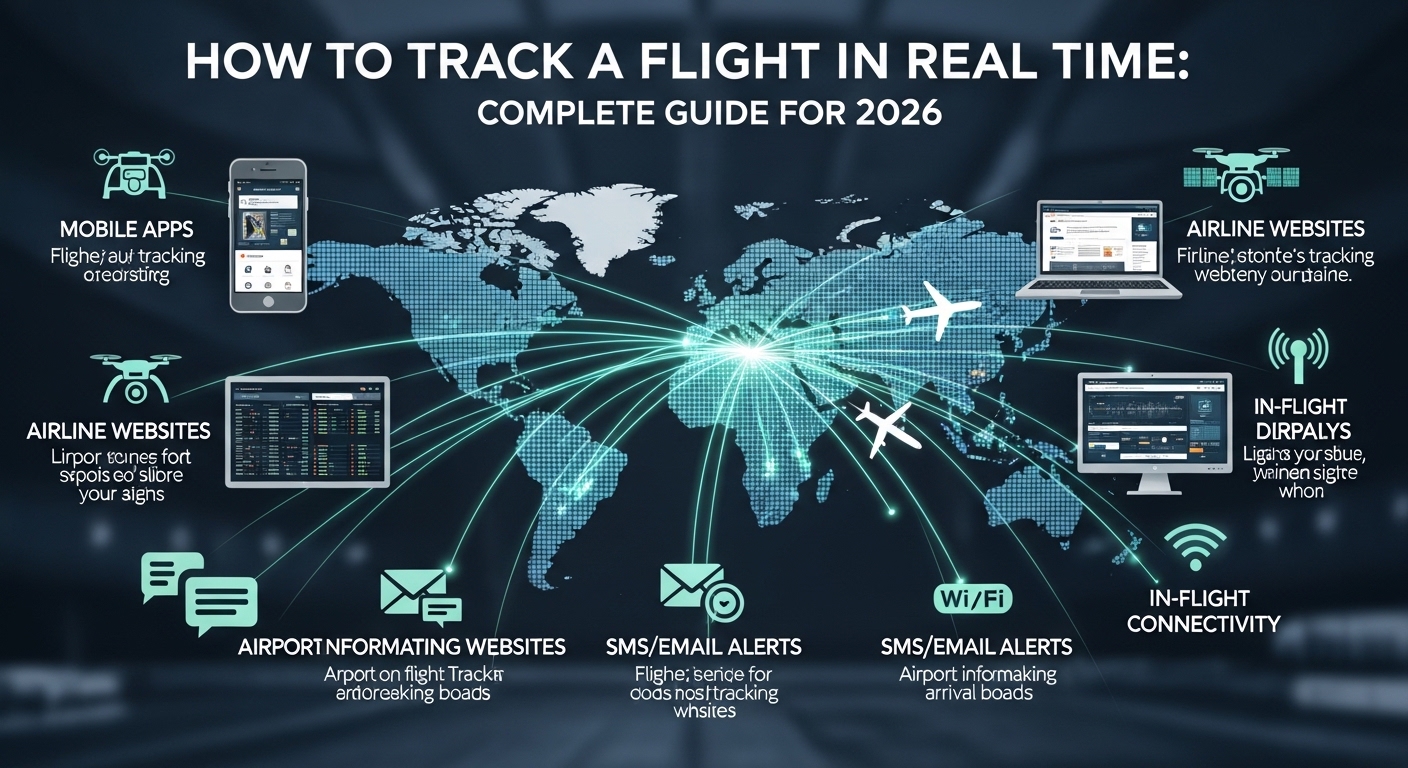
    How to Track a Flight in Real Time: Complete Guide for 2026

    Air travel has become more connected and transparent than ever before. Whether you’re a frequent traveler, picking up a loved one from the airport, monitoring a business trip, or simply curious about aircraft movements, modern flight tracking technology makes it possible to track flights in real time from virtually anywhere in the world.

    In 2026, millions of travelers use a live flight tracker online to monitor departures, arrivals, delays, route changes, and aircraft positions. Thanks to advanced satellite technology, ADS-B systems, and sophisticated aviation databases, anyone can access a real time flight tracker and watch aircraft move across the globe on interactive maps.

    This comprehensive guide explains everything you need to know about using a live airplane tracker, understanding flight tracking systems, and finding the best flight tracker app for your needs.

    What Is a Real-Time Flight Tracker?

    A real time flight tracker is a digital system that displays the current location, speed, altitude, route, and status of aircraft as they travel through the air.

    These tracking platforms collect data from:

    • ADS-B transmitters
    • Ground receiving stations
    • Satellite networks
    • Air traffic control systems
    • Airline databases
    • Airport information systems

    A modern live flight status tracker can provide:

    • Aircraft location
    • Departure information
    • Arrival estimates
    • Flight delays
    • Gate information
    • Aircraft type
    • Speed and altitude
    • Flight history

    With a track flight live platform, users can follow flights from takeoff to landing in real time.

    How Flight Tracking Technology Works

    To understand how a real time airplane tracking system functions, it’s important to know where the data comes from.

    ADS-B Technology

    Most modern aircraft use ADS-B (Automatic Dependent Surveillance-Broadcast).

    The aircraft continuously broadcasts:

    • GPS location
    • Altitude
    • Speed
    • Heading
    • Identification information

    Ground stations and satellites receive these signals and send them to flight tracking services.

    Satellite Tracking

    Satellite-based systems provide global coverage.

    This allows users to:

    • Track international flights live
    • Monitor flights over oceans
    • Follow aircraft in remote areas

    Without satellites, many aircraft would disappear from tracking maps when flying beyond land-based receivers.

    Air Traffic Data

    Air traffic control systems contribute additional information such as:

    • Route updates
    • Flight plans
    • Airport operations
    • Weather impacts

    This data helps create a complete flight tracking live map experience.

    Why People Track Flights in Real Time

    There are many reasons travelers use a live air traffic tracker.

    Airport Pickups

    Instead of guessing arrival times, users can:

    • Monitor delays
    • Track approach paths
    • See actual landing times

    This helps reduce waiting time at airports.

    Family Travel Monitoring

    Parents and relatives often use a live flight tracker with map to ensure loved ones arrive safely.

    Business Travel

    Companies track employee flights to:

    • Manage schedules
    • Coordinate transportation
    • Monitor delays

    Aviation Enthusiasts

    Plane spotters enjoy using a flight radar live platform to identify aircraft overhead and learn about aviation operations.

    Benefits of Using a Live Flight Tracker Online

    A reliable live flight tracker online offers many advantages.

    Accurate Arrival Times

    Real-time updates often provide better estimates than airport schedules.

    Delay Notifications

    Users can instantly see:

    • Weather delays
    • Air traffic delays
    • Airport congestion issues

    Route Visibility

    Many systems show:

    • Flight path
    • Current position
    • Remaining distance

    Global Coverage

    Modern trackers allow users to:

    • Track domestic flights
    • Track international flights live
    • Monitor private aircraft
    • Follow cargo planes

    How to Track a Flight in Real Time

    Many people ask: how to track a flight in real time?

    The process is simple.

    Step 1: Find the Flight Number

    The flight number is usually available on:

    • Airline tickets
    • Boarding passes
    • Confirmation emails

    Examples include:

    • BA249
    • EK202
    • AA100
    • QR701

    Step 2: Open a Flight Tracking Platform

    Use a trusted plane tracker live website or mobile app.

    Step 3: Enter the Flight Number

    Search for the flight in the tracker.

    The system will display:

    • Current location
    • Departure airport
    • Arrival airport
    • Flight status

    Step 4: Follow the Aircraft

    The flight tracking live map updates continuously as the aircraft moves.

    Understanding Flight Tracking Live Maps

    A flight tracking live map displays aircraft movements visually.

    Typical information includes:

    • Aircraft icon
    • Flight route
    • Airports
    • Speed
    • Altitude
    • Estimated arrival time

    Users can zoom in to see regional traffic or zoom out to monitor global aviation activity.

    This makes a live flight tracker with map one of the most useful travel tools available.

    How to Track International Flights Live

    International flights often travel across multiple countries and oceans.

    Modern systems make it easy to track international flights live.

    Users can monitor:

    • Long-haul routes
    • Ocean crossings
    • International arrivals
    • Transit connections

    Popular routes include:

    • London to New York
    • Dubai to Sydney
    • Doha to Los Angeles
    • Singapore to Frankfurt

    Advanced satellite tracking allows aircraft to remain visible even over remote ocean regions.

    Features of the Best Flight Tracker App

    The best flight tracker app should provide more than basic location data.

    Look for features such as:

    Live Aircraft Tracking

    Real-time position updates.

    Flight Alerts

    Notifications for:

    • Delays
    • Gate changes
    • Departures
    • Arrivals

    Interactive Maps

    A detailed live flight tracker with map interface.

    Airport Information

    Access to:

    • Terminal details
    • Gate assignments
    • Airport maps

    Weather Integration

    Weather data can explain delays and route changes.

    Flight History

    Many platforms store historical flight information.

    Free Flight Tracking Apps in 2026

    Many users want a flight tracking app free of charge.

    Free applications typically include:

    • Live aircraft tracking
    • Flight status updates
    • Airport information
    • Route maps

    Premium versions may add:

    • Advanced analytics
    • Historical playback
    • Additional alerts
    • Ad-free experiences

    A quality flight tracking app free option can satisfy the needs of most travelers.


    Real-Time Flight Tracking Apps vs Websites

    Both apps and websites provide flight tracking.

    Mobile Apps

    Advantages:

    • Push notifications
    • Easy access
    • Location integration
    • Quick updates

    A real time flight tracking app is ideal for travelers on the go.

    Websites

    Advantages:

    • Larger maps
    • Detailed analytics
    • Multi-flight monitoring

    Many aviation enthusiasts prefer a desktop live flight tracker online platform.

    How Accurate Are Flight Trackers?

    Modern systems are remarkably accurate.

    Typical updates occur every few seconds.

    Accuracy depends on:

    • GPS signals
    • ADS-B coverage
    • Satellite connectivity
    • Air traffic data quality

    Most aircraft positions are accurate within a very small margin of error.

    This makes today’s real time airplane tracking system significantly more reliable than older technologies.

    Common Flight Status Terms Explained

    When using a live flight status tracker, you’ll see several status indicators.

    Scheduled

    The flight is planned but has not departed.

    Boarding

    Passengers are boarding the aircraft.

    Departed

    The aircraft has taken off.

    En Route

    The flight is currently in the air.

    Delayed

    Departure or arrival time has changed.

    Diverted

    The flight has been redirected to another airport.

    Landed

    The aircraft has arrived successfully.

    Understanding these terms helps users interpret tracking information correctly.

    Using an Airplane Tracker App for Travel Planning

    An airplane tracker app can improve travel experiences significantly.

    Benefits include:

    • Monitoring connecting flights
    • Tracking family members
    • Checking airport congestion
    • Planning airport pickups
    • Receiving delay alerts

    Frequent travelers often consider a quality airplane tracker app an essential travel companion.

    Flight Radar Live: Why It Is Popular

    The phrase flight radar live has become synonymous with real-time flight tracking.

    Flight radar systems provide:

    • Global aircraft visibility
    • Interactive maps
    • Aircraft details
    • Route information

    Users enjoy seeing thousands of flights moving simultaneously around the world.

    A flight radar live platform combines education, travel planning, and entertainment in one interface.

    Live Air Traffic Tracker for Aviation Enthusiasts

    A live air traffic tracker is particularly popular among aviation fans.

    Enthusiasts use trackers to:

    • Identify aircraft types
    • Monitor airline operations
    • Observe flight routes
    • Track military aircraft where available
    • Watch airport traffic patterns

    The growth of aviation technology has made aircraft tracking accessible to everyone.

    How Airlines Use Real-Time Flight Tracking

    Airlines rely heavily on tracking technology.

    They use real-time data for:

    • Fleet management
    • Route optimization
    • Safety monitoring
    • Fuel efficiency
    • Delay reduction

    The same information displayed in consumer apps often originates from professional aviation systems.

    Future of Flight Tracking in 2026 and Beyond

    Flight tracking technology continues to evolve rapidly.

    Future improvements may include:

    Enhanced Satellite Coverage

    More accurate global aircraft visibility.

    AI-Powered Predictions

    Artificial intelligence can improve:

    • Arrival forecasts
    • Delay predictions
    • Route optimization

    Better Weather Integration

    Real-time weather analysis will provide more accurate status updates.

    Improved Mobile Experiences

    Future live flight tracker app download options will offer richer visualizations and smarter notifications.

    Tips for Getting the Most Accurate Flight Information

    To improve tracking accuracy:

    Use Official Flight Numbers

    Always search by flight number when possible.

    Enable Notifications

    Receive instant updates on delays and arrivals.

    Check Weather Conditions

    Weather often affects flight operations.

    Verify Airport Details

    Large airports may have multiple terminals and gates.

    Monitor Flights Before Departure

    Early tracking helps identify schedule changes.

    Choosing the Right Plane Tracker Live Platform

    When selecting a plane tracker live service, consider:

    • Coverage area
    • Update frequency
    • User interface
    • Mobile compatibility
    • Alert capabilities
    • Historical flight data

    The ideal platform depends on whether you are a casual traveler, business user, or aviation enthusiast.

    Why Real-Time Flight Tracking Matters Today

    Real-time flight tracking has transformed air travel.

    Passengers no longer need to rely solely on airport announcements or airline websites. Instead, they can access a live flight tracker online, monitor aircraft movements, and receive updates instantly.

    Whether you want to track flights in real time, follow a loved one’s journey, monitor international routes, or simply explore global aviation activity, modern tracking technology provides unprecedented visibility into the world’s air traffic network.

    From a simple live airplane tracker to a sophisticated real time airplane tracking system, today’s tools make air travel more transparent, convenient, and predictable than ever before.

    Conclusion

    Knowing how to track a flight in real time is a valuable skill for travelers, families, businesses, and aviation enthusiasts alike. Modern tools provide accurate aircraft locations, flight status updates, route information, and arrival predictions through interactive maps and mobile applications.

    Whether you use a flight tracking app free, a professional real time flight tracking app, a live flight tracker with map, or a full-featured flight radar live platform, the ability to monitor flights instantly has become an essential part of modern travel. As technology continues to advance throughout 2026 and beyond, flight tracking systems will become even more accurate, intelligent, and accessible, making it easier than ever to stay informed about flights anywhere in the world.

  • Step-by-Step Guide to Track a British Airways Flight Live Online in 2026

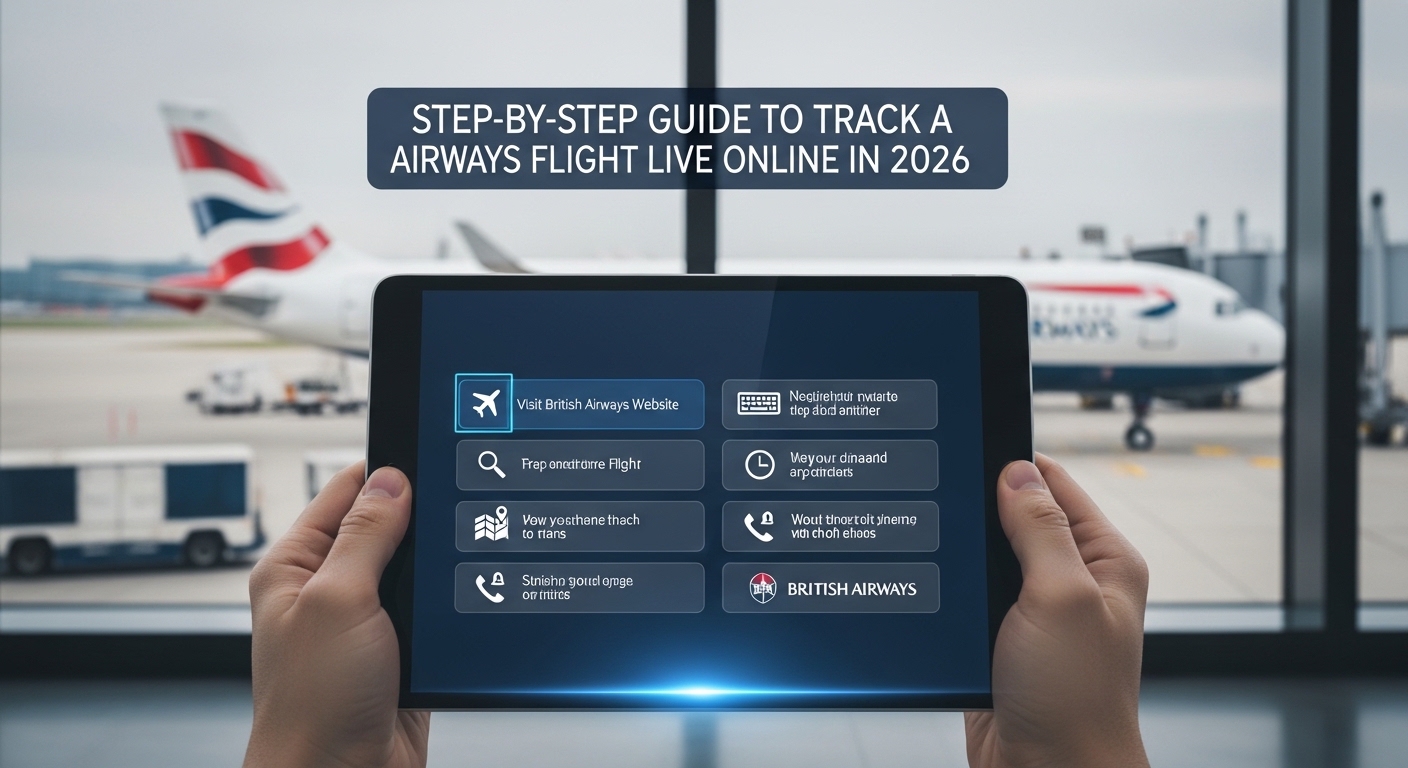
    Step-by-Step Guide to Track a British Airways Flight Live Online in 2026

    In today’s connected world, flight tracking has become an essential tool for travelers, families, airport pickups, aviation enthusiasts, and business professionals. Whether you’re waiting for a loved one to arrive or monitoring your own journey, knowing how to track a flight live British Airways can provide peace of mind and real-time travel updates.

    Modern flight tracking technology allows users to see aircraft locations, estimated arrival times, delays, gate information, altitude, speed, and route details. In 2026, flight tracking platforms are more advanced than ever, offering live maps and accurate updates for airlines around the world.

    This comprehensive guide explains how to track a BA flight live, the best tools available, and how flight tracking works. We will also compare tracking options for major international airlines, including emirates flight tracker live, lufthansa live flight tracker, air france live flight tracking, and many others.

    What Is Live Flight Tracking?

    Live flight tracking is the process of monitoring an aircraft’s real-time location during its journey. Flight tracking systems collect data from satellites, radar networks, airport systems, and ADS-B technology to display aircraft movements on interactive maps.

    With live flight tracking, users can view:

    • Current aircraft location
    • Departure and arrival airports
    • Estimated arrival time
    • Flight delays
    • Flight route
    • Aircraft type
    • Altitude and speed
    • Weather conditions affecting flights

    This technology has transformed air travel by making flight information easily accessible to everyone.

    Why Track a British Airways Flight Live?

    There are many reasons why travelers choose to monitor British Airways flights in real time.

    1. Stay Updated on Delays

    Flight schedules can change because of weather, airport congestion, or operational issues. Tracking allows you to receive real-time updates.

    2. Coordinate Airport Pickups

    Family members and transportation services can better plan arrivals when using live tracking.

    3. Monitor Connecting Flights

    Passengers with connecting flights can stay informed about arrival times and potential delays.

    4. Follow Long-Haul International Routes

    British Airways operates flights across Europe, North America, Asia, Africa, and the Middle East. Tracking helps passengers monitor long-distance journeys.

    Step-by-Step Guide to Track a British Airways Flight Live

    Following these simple steps will help you monitor any British Airways flight in real time.

    Step 1: Obtain the Flight Number

    Before tracking a flight, you need the flight number.

    Examples include:

    • BA149
    • BA216
    • BA283
    • BA117

    The flight number usually begins with “BA” followed by numbers.

    Step 2: Visit a Flight Tracking Platform

    Several platforms provide real-time flight monitoring.

    Popular options include:

    • FlightRadar24
    • FlightAware
    • Airline websites
    • Airport websites
    • Aviation tracking apps

    These services allow users to enter the flight number and instantly view live data.

    Step 3: Enter the Flight Number

    Type the British Airways flight number into the search bar.

    For example:

    BA149

    The system will display:

    • Aircraft location
    • Flight route
    • Estimated arrival
    • Departure status
    • Aircraft details

    This is the easiest method to track a BA flight live.

    Step 4: View the Live Flight Map

    Most flight trackers provide an interactive map showing:

    • Current aircraft position
    • Flight path
    • Departure airport
    • Destination airport

    This live map updates continuously throughout the journey.

    Step 5: Monitor Arrival Information

    Travelers can also track:

    • Terminal information
    • Arrival gate
    • Estimated landing time
    • Baggage claim details

    These updates are especially useful for airport pickups.

    Understanding Flight Tracking Technology

    Many travelers wonder how flight trackers work.

    Modern systems rely on:

    ADS-B Technology

    Automatic Dependent Surveillance-Broadcast (ADS-B) transmits aircraft location information directly from the aircraft.

    Satellite Tracking

    Satellites collect flight data over oceans and remote regions.

    Airport Data Systems

    Airports provide arrival and departure information to tracking services.

    Radar Networks

    Ground-based radar systems supplement tracking data.

    Together, these technologies provide highly accurate live flight information.

    Best Platforms for Live Flight Tracking in 2026

    Choosing the right tracking platform can improve your experience.

    FlightRadar24

    One of the world’s most popular flight tracking services.

    Features include:

    • Live aircraft maps
    • Historical flight data
    • Airport information
    • Aircraft photos

    FlightAware

    A trusted aviation tracking platform.

    Benefits include:

    • Real-time flight status
    • Delay alerts
    • Airline schedules
    • Arrival predictions

    Airline Tracking Tools

    Many airlines offer built-in tracking services through their websites and mobile applications.

    British Airways passengers can check:

    • Flight status
    • Departure information
    • Arrival updates

    directly through airline channels.

    Tracking Other Major Airlines Live

    Many travelers fly with different carriers throughout the year.

    Below are examples of popular flight tracking searches.

    Emirates Flight Tracking

    Passengers frequently search for emirates flight tracker live to monitor flights traveling between Dubai and international destinations.

    Many users also search for:

    • live tracking of emirates flight
    • track flight live emirates

    These tools provide detailed information on long-haul flights worldwide.

    Lufthansa Flight Tracking

    Germany’s largest airline offers global connectivity.

    Travelers often use a lufthansa live flight tracker to monitor transatlantic and European flights.

    Benefits include:

    • Real-time route updates
    • Arrival predictions
    • Delay notifications

    Air France Flight Tracking

    Passengers flying through Paris often use air france live flight tracking services.

    Flight trackers display:

    • Aircraft location
    • Gate information
    • Estimated arrival times

    making travel planning easier.

    Cathay Pacific Flight Tracking

    For flights operating through Hong Kong, travelers often search:

    • cathay pacific flight tracker live
    • cathay flight tracker live

    Live maps allow passengers to monitor flights across Asia, Europe, and North America.

    Virgin Atlantic Flight Tracking

    Travelers frequently search for a virgin atlantic flight tracker live free service to monitor flights between the UK and international destinations.

    These tracking platforms provide:

    • Route monitoring
    • Arrival updates
    • Flight history information

    Korean Air Flight Tracking

    International passengers often rely on a live flight tracker Korean Air service to monitor flights across Asia and beyond.

    Real-time updates improve travel planning and reduce uncertainty.

    Spirit Airlines Flight Tracking

    Domestic travelers in the United States often use:

    • spirit airlines flight tracker live
    • spirit live flight tracker
    • live spirit flight tracker

    These services help passengers track low-cost domestic and international routes.

    Spirit Airlines passengers can monitor:

    • Delays
    • Departure times
    • Gate changes
    • Arrival schedules

    in real time.

    Alaska Airlines Live Flight Tracking

    For flights throughout North America, many travelers use an alaska airlines flight tracker live map.

    Features commonly include:

    • Interactive maps
    • Flight routes
    • Arrival updates
    • Aircraft information

    This is especially useful for travelers flying to remote regions of Alaska.

  • Flight Radar & Live Flight Status Tracker Online 24/7

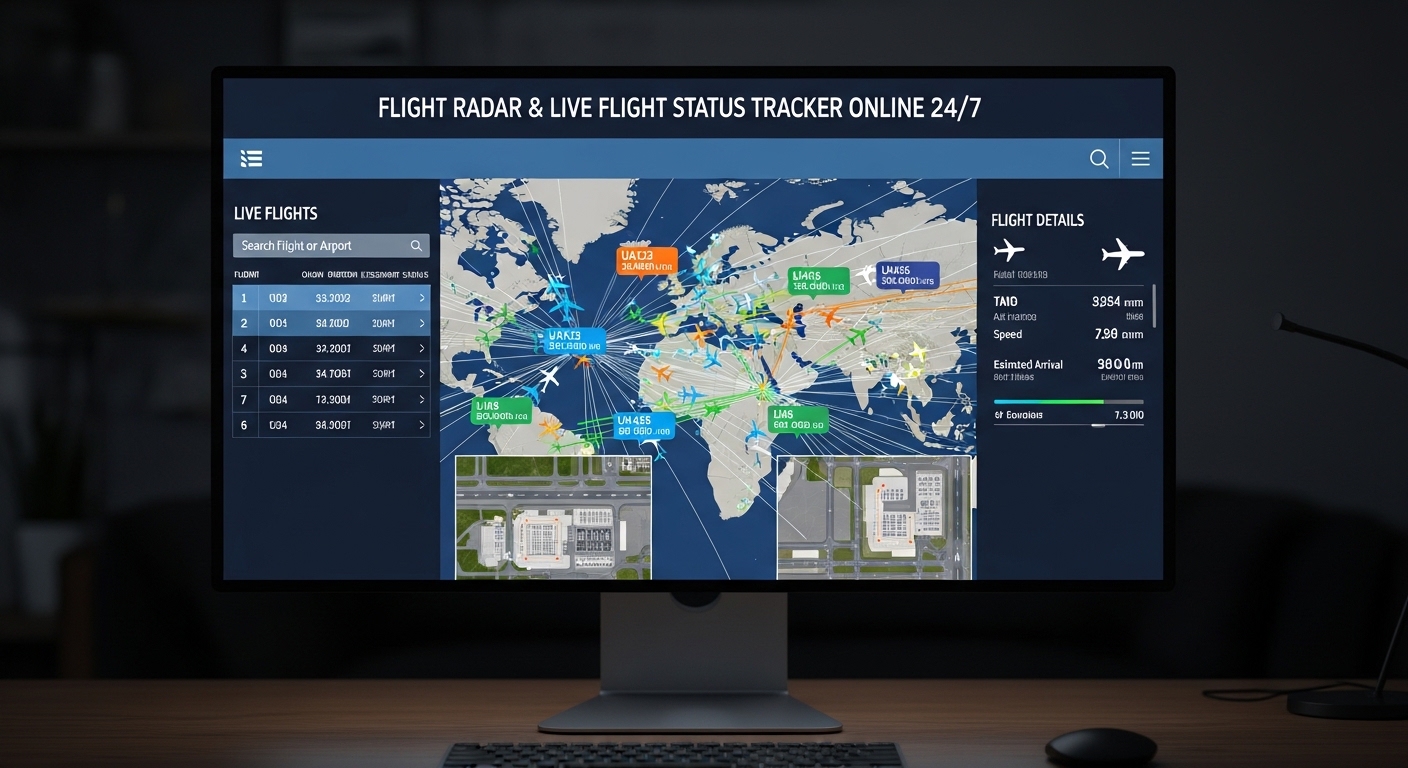
    Flight Radar & Live Flight Status Tracker Online 24/7

    In today’s fast-moving world, air travel has become an essential part of business, tourism, and international connectivity. Millions of people travel daily across countries and continents, making flight tracking more important than ever before. Whether you are waiting for a loved one at the airport, managing business travel, or simply passionate about aviation, a live flight tracker online can provide accurate and real-time flight updates instantly.

    Modern flight tracking tools now allow users to monitor flights worldwide using advanced radar systems, GPS satellites, and aviation databases. From checking delays to monitoring flight routes on a live map, travelers can now stay informed 24/7 with just a smartphone or computer.

    This guide explains everything you need to know about using a real time flight tracker, the benefits of live airplane tracking systems, and the best apps available for tracking flights around the globe.

    What Is a Live Flight Tracker Online?

    A live flight tracker online is a digital system that shows real-time information about aircraft flying across the world. These platforms collect data from aviation authorities, satellites, airline systems, and radar networks to provide accurate updates about airplane locations, speed, altitude, departure times, and arrival schedules.

    Using a track flight live system, travelers can:

    • Monitor airplanes on a live map
    • Check arrivals and departures
    • Receive delay notifications
    • Track international flights live
    • View aircraft routes in real time
    • Search flights by flight number

    Modern flight tracking technology has transformed the way people travel and monitor aviation activities worldwide.

    How Does a Real Time Flight Tracker Work?

    A real time flight tracker works by gathering data from several aviation technologies, including:

    ADS-B Technology

    Automatic Dependent Surveillance-Broadcast (ADS-B) is one of the most important technologies used in modern aviation tracking. Aircraft equipped with ADS-B transmit their location, speed, altitude, and direction to nearby receivers.

    Radar Systems

    Traditional radar stations monitor aircraft movement and send data to aviation authorities and flight tracking platforms.

    Satellite Tracking

    Satellite systems help track airplanes over oceans and remote regions where radar coverage may be limited.

    Airline Data Integration

    Many platforms connect directly with airline systems to provide real-time flight schedules and operational updates.

    These technologies combine to create a highly accurate flight tracking live map for users worldwide.

    Benefits of Using a Live Airplane Tracker

    A live airplane tracker offers many advantages for travelers, businesses, and aviation enthusiasts.

    Real-Time Updates

    Users can instantly receive information about:

    • Delays
    • Gate changes
    • Cancellations
    • Estimated arrival times
    • Flight diversions

    Better Travel Planning

    Using a track flights in real time platform helps travelers plan airport pickups and departures more efficiently.

    Aviation Enthusiast Experience

    Plane spotters and aviation fans love monitoring aircraft routes with a flight radar live platform.

    Safety and Awareness

    Flight tracking tools provide important operational awareness during weather disruptions and emergencies.

    Flight Tracking Live Map Features

    Modern flight tracking websites and apps offer advanced mapping features that make tracking easy and interactive.

    Interactive Global Maps

    A live flight tracker with map allows users to zoom into airports, countries, and flight paths worldwide.

    Aircraft Information

    Most systems display:

    • Aircraft model
    • Airline details
    • Flight speed
    • Altitude
    • Route history

    Real-Time Air Traffic Monitoring

    A live air traffic tracker displays hundreds or even thousands of aircraft moving simultaneously across the globe.

    Airport Information

    Many platforms include airport arrival and departure schedules for real-time monitoring.

    Why Flight Radar Live Platforms Are Popular

    The popularity of flight radar live services continues to grow because they provide instant and accurate aviation data.

    People use these platforms for:

    • Travel planning
    • Airport pickups
    • Business monitoring
    • Aviation research
    • Educational purposes
    • Aircraft spotting

    With global air traffic increasing every year, access to real-time aviation information has become more valuable than ever.

    Best Flight Tracker App Options

    Choosing the best flight tracker app depends on your needs and preferred features. Some apps focus on aviation enthusiasts, while others prioritize traveler convenience.

    Features to Look For

    When selecting a flight tracking app free, consider:

    • Real-time notifications
    • Live maps
    • Flight search functionality
    • Airport information
    • Airline tracking
    • International flight support

    Mobile Compatibility

    A quality real time flight tracking app should work smoothly on both Android and iOS devices.

    Offline Access

    Some apps allow users to save flight information for quick offline access.

    Live Flight Tracker App Download Guide

    Downloading a live flight tracker app download is simple and usually free.

    For Android Users

    Visit the Google Play Store and search for:

    • Flight tracker
    • Airplane tracker
    • Flight radar
    • Live flight status tracker

    For iPhone Users

    Open the Apple App Store and search for similar flight tracking apps.

    Installation Tips

    Before downloading:

    • Check user reviews
    • Compare features
    • Review app permissions
    • Ensure compatibility with your device

    Airplane Tracker App Features Explained

    A professional airplane tracker app provides several advanced aviation tools.

    Push Notifications

    Receive instant alerts about:

    • Flight delays
    • Gate changes
    • Boarding updates
    • Arrival times

    Route Playback

    Many apps allow users to replay completed flights and analyze routes.

    Weather Layers

    Advanced apps integrate live weather data with flight maps.

    Airport Monitoring

    Users can track airport congestion and live runway activity.

    How to Track a Flight in Real Time

    Many travelers ask how to track a flight in real time accurately. The process is usually straightforward.

    Step 1: Open a Flight Tracker

    Use a website or app that provides live flight tracking.

    Step 2: Enter the Flight Number

    Search using the airline code and flight number.

    Example:

    • PK301
    • EK202
    • BA117

    Step 3: View Live Flight Information

    The system displays:

    • Aircraft location
    • Estimated arrival
    • Departure details
    • Route map
    • Speed and altitude

    Track International Flights Live

    Tracking global flights has become easier than ever with modern aviation systems.

    A track international flights live service helps travelers monitor flights across continents in real time.

    Benefits for International Travelers

    • Better airport coordination
    • Time zone awareness
    • Accurate arrival estimates
    • Layover monitoring

    Long-Haul Flight Monitoring

    Users can follow flights across oceans using satellite-supported systems.

    Real Time Airplane Tracking System Technology

    A real time airplane tracking system relies on powerful technologies that constantly update aircraft locations.

    GPS Integration

    Aircraft transmit GPS coordinates during flights.

    Data Processing Centers

    Global aviation networks process millions of data points every second.

    Cloud-Based Infrastructure

    Modern flight tracking systems use cloud technology for fast updates and scalability.

    Flight Tracker Arrivals and Departures

    Monitoring flight tracker arrivals and departures is extremely useful for airport visitors and travelers.

    Arrival Tracking

    Users can check:

    • Arrival terminals
    • Delay status
    • Baggage claim updates

    Departure Tracking

    Track:

    • Boarding times
    • Gate assignments
    • Departure delays

    This information helps passengers avoid confusion and save time.

    Track Flight by Number Live

    One of the most common ways to monitor flights is to track flight by number live.

    Every commercial flight has a unique flight number assigned by the airline.

    Examples include:

    • AA100
    • QR701
    • TK715

    Entering the flight number into a tracker instantly shows live aircraft information.

    Why Travelers Prefer Real-Time Flight Tracking

    Travelers increasingly depend on real-time flight tracking because of the convenience and transparency it provides.

    Reduced Stress

    Passengers stay informed about delays and changes before arriving at the airport.

    Better Coordination

    Friends and family can monitor flight arrivals accurately.

    Improved Business Travel

    Corporate travelers can manage schedules more efficiently.

    Future of Flight Tracking Technology

    The aviation industry continues investing in advanced flight tracking systems.

    AI-Powered Predictions

    Artificial intelligence will improve delay forecasting and route optimization.

    Enhanced Satellite Coverage

    Global satellite systems will provide even more accurate live tracking.

    Smart Airport Integration

    Future systems may connect directly with airport navigation and passenger assistance technologies.

    Importance of Flight Tracking During Emergencies

    Flight tracking systems become especially valuable during severe weather conditions and emergencies.

    Users can monitor:

    • Flight diversions
    • Emergency landings
    • Weather disruptions
    • Air traffic congestion

    This helps travelers stay informed and prepared during unexpected situations.

    Aviation Enthusiasts and Plane Tracking

    Millions of aviation fans use plane tracker live systems daily.

    Popular Activities

    • Aircraft spotting
    • Airline route analysis
    • Watching rare aircraft
    • Monitoring military flights

    Real-time aviation maps have created an entirely new hobby community online.

    Tips for Choosing the Best Flight Tracker

    Selecting the right flight tracking platform depends on your travel needs.

    Consider Accuracy

    Choose services with reliable data sources and fast updates.

    Compare User Experience

    Easy navigation and clean maps improve usability.

    Check Global Coverage

    International travelers should select trackers with worldwide monitoring capabilities.

    Common Problems with Flight Tracking Apps

    Although flight tracking technology is highly advanced, occasional issues may occur.

    Delayed Updates

    Remote regions may experience slower data refresh rates.

    Missing Flights

    Some private or restricted aircraft may not appear on public systems.

    Internet Dependency

    Most live trackers require stable internet access.

    Best Uses for a Live Flight Status Tracker

    A live flight status tracker can be useful in many situations.

    Airport Pickups

    Avoid waiting unnecessarily by checking live arrival times.

    Business Management

    Companies monitor employee travel schedules efficiently.

    Cargo Monitoring

    Logistics companies track cargo aircraft globally.

    Tourism and Travel Planning

    Travelers stay updated about changing schedules.

    Conclusion

    A modern live flight tracker online has become an essential travel tool for millions of people worldwide. Whether you want to use a real time flight tracker, monitor aircraft with a flight tracking live map, or install the best flight tracker app, today’s technology offers unmatched convenience and accuracy.

    From tracking departures and arrivals to following aircraft across continents, live flight tracking systems continue transforming the aviation experience. Travelers can now track flight live, monitor international routes, and receive instant updates anytime, anywhere.

    As aviation technology evolves, flight tracking platforms will become even smarter, faster, and more accurate. Whether you are a frequent flyer, airport visitor, aviation enthusiast, or business traveler, using a reliable live air traffic tracker ensures you stay connected to the skies 24/7.

  • Live Flight Tracker Worldwide – Track Flights in Real Time

    Live Flight Tracker Worldwide – Track Flights in Real Time

    In today’s fast-moving world, air travel has become an essential part of business, tourism, education, and family connections. Whether you are waiting for a loved one at the airport, planning an international journey, or monitoring flight delays, a live flight tracker worldwide system can make travel easier and more convenient. Modern technology now allows travelers to monitor aircraft movements in real time using advanced radar systems, satellite tracking, and GPS-based monitoring tools.

    With a real time flight tracker, users can instantly check departures, arrivals, delays, cancellations, and the exact location of airplanes in the sky. These systems provide accurate updates and interactive maps that help passengers stay informed throughout their journey.

    This complete guide explains everything about live flight tracking, how it works, the best apps and websites to use, and why millions of travelers rely on these tools every day.

    What Is a Live Flight Tracker?

    A live flight tracker worldwide is an online system or mobile application that allows users to monitor airplanes in real time. It uses satellite technology, radar systems, ADS-B receivers, and GPS data to display aircraft locations on a digital map.

    Using a track flight live platform, travelers can:

    • Monitor flight departures and arrivals
    • Check delays and cancellations
    • View flight paths and aircraft speed
    • Track international and domestic flights
    • See airport congestion in real time
    • Follow airplanes on an interactive map

    Today, almost every airline and airport uses some form of real time airplane tracking system to improve safety and passenger convenience.

    How Does Real-Time Flight Tracking Work?

    A real time flight tracker works by collecting information from several aviation technologies. The most common technology used today is ADS-B (Automatic Dependent Surveillance-Broadcast).

    Aircraft transmit signals that include:

    • Flight number
    • Speed
    • Altitude
    • Aircraft type
    • Direction
    • GPS coordinates

    Ground stations and satellites receive this information and send it to tracking platforms. The data then appears on a flight tracking live map where users can watch aircraft movement in real time.

    Main Technologies Behind Flight Tracking

    1. ADS-B Technology

    Most modern aircraft use ADS-B transponders to share location data with air traffic control and tracking systems.

    2. Radar Systems

    Traditional radar systems continue to support live air traffic tracker services, especially around airports.

    3. Satellite Tracking

    Satellites help track airplanes flying over oceans and remote areas.

    4. GPS Systems

    GPS ensures highly accurate positioning for plane tracker live services.

    Benefits of Using a Live Flight Tracker

    A live flight status tracker provides many advantages for travelers, airport staff, and aviation enthusiasts.

    Real-Time Updates

    Passengers receive instant information about delays, gate changes, and cancellations.

    Better Travel Planning

    You can adjust transportation schedules according to actual arrival times.

    Airport Pickup Convenience

    Families and taxi drivers can avoid long waiting times.

    Flight Safety Awareness

    Tracking systems provide transparency and accurate monitoring.

    International Travel Monitoring

    Users can easily track international flights live across multiple countries.

    Features of the Best Flight Tracker Apps

    The best flight tracker app includes advanced features that make travel easier and more efficient.

    Interactive Flight Maps

    A live flight tracker with map displays aircraft movement visually across the globe.

    Flight Status Notifications

    Users receive alerts about delays, boarding times, and gate changes.

    Aircraft Details

    Many apps provide information about aircraft type, airline, and altitude.

    Airport Information

    Travelers can check terminal details, baggage claim areas, and departure schedules.

    Weather Monitoring

    Weather updates help passengers understand possible delays.

    Multi-Flight Tracking

    Business travelers can monitor multiple flights simultaneously.

    Best Uses of a Real-Time Flight Tracker

    A track flights in real time system is useful for many situations.

    Airport Arrivals and Departures

    A flight tracker arrivals and departures service helps passengers monitor exact landing and takeoff times.

    Business Travel

    Companies track employee flights for better scheduling and coordination.

    Family Travel Coordination

    Families stay informed about loved ones’ travel progress.

    Aviation Enthusiasts

    Aviation fans enjoy using flight radar live tools to observe aircraft worldwide.

    Cargo and Logistics

    Shipping companies track cargo aircraft movements in real time.

    How to Track a Flight in Real Time

    Many travelers ask, how to track a flight in real time effectively. The process is simple and only takes a few steps.

    Step 1: Open a Flight Tracking Platform

    Use a website or flight tracking app free on your mobile device.

    Step 2: Enter Flight Details

    Type the airline name or flight number into the search bar.

    Step 3: View Live Flight Data

    The system will display:

    • Current location
    • Estimated arrival time
    • Departure information
    • Flight route
    • Speed and altitude

    Step 4: Enable Notifications

    Receive instant updates directly on your smartphone.

    Popular Live Flight Tracking Platforms

    Several global platforms provide accurate live flight tracker worldwide services.

    FlightRadar24

    One of the most recognized flight tracking platforms globally. It offers:

    • Interactive maps
    • Real-time radar
    • Aircraft details
    • Historical flight data

    FlightAware

    Popular for business travelers and aviation professionals.

    Plane Finder

    Known for its user-friendly interface and accurate tracking.

    ADS-B Exchange

    Provides uncensored aviation tracking data.

    Airline Official Apps

    Many airlines now offer integrated real time flight tracking app features.

    Why Travelers Prefer Live Flight Tracking Apps

    A modern airplane tracker app offers convenience and peace of mind. Travelers no longer need to rely only on airport information boards.

    Instant Information Access

    Everything is available directly from a smartphone.

    Reduced Stress

    Passengers can plan around delays and schedule changes.

    Better Airport Timing

    Travelers avoid unnecessary waiting at terminals.

    Accurate Global Coverage

    Users can track flight by number live anywhere in the world.

    Features to Look for in a Flight Tracking App

    When selecting the best flight tracker app, consider these important features.

    Real-Time Data Accuracy

    Choose apps with fast and reliable updates.

    Interactive Map Interface

    A high-quality flight tracking live map improves user experience.

    Worldwide Coverage

    The app should support both domestic and international flights.

    Push Notifications

    Important updates should appear instantly.

    User-Friendly Design

    Simple navigation improves convenience.

    Free and Premium Versions

    Many platforms provide a free live flight tracking website alongside premium upgrades.

    Understanding Flight Radar Technology

    Flight radar live technology combines aviation radar systems with digital mapping software.

    The system shows:

    • Airplane icons moving live
    • Flight paths
    • Airport congestion
    • Air traffic routes

    This technology is especially useful for:

    • Airlines
    • Airport authorities
    • Pilots
    • Passengers
    • Aviation enthusiasts

    Real-Time Air Traffic Monitoring

    A live air traffic tracker allows users to observe thousands of airplanes flying simultaneously across the globe.

    Major benefits include:

    • Better airport management
    • Improved air traffic safety
    • Accurate scheduling
    • Enhanced passenger communication

    Real-time air traffic systems have transformed modern aviation operations.

    How Airlines Use Flight Tracking Systems

    Airlines rely heavily on real time airplane tracking system technology for operational efficiency.

    Flight Safety

    Tracking helps airlines monitor aircraft positions continuously.

    Fuel Optimization

    Flight paths can be adjusted for efficiency.

    Delay Management

    Airlines notify passengers immediately about disruptions.

    Fleet Monitoring

    Airlines monitor every aircraft in their fleet globally.

    Mobile Apps vs Websites for Flight Tracking

    Both websites and apps offer useful tracking tools.

    Flight Tracking Websites

    A free live flight tracking website is ideal for desktop users who want detailed maps and broader flight information.

    Advantages

    • Larger display
    • Detailed analytics
    • Better for aviation enthusiasts

    Flight Tracking Mobile Apps

    A live flight tracker app download provides flexibility for travelers on the move.

    Advantages

    • Instant alerts
    • Portable access
    • Easy airport navigation

    International Flight Tracking

    Modern systems can easily track international flights live across continents.

    Users can monitor:

    • Long-haul flights
    • Oceanic routes
    • International connections
    • Customs arrival times

    This is especially helpful for:

    • International students
    • Business travelers
    • Families receiving overseas visitors

    Importance of Real-Time Flight Tracking for Airports

    Airports benefit greatly from track flights in real time technology.

    Efficient Ground Operations

    Ground crews prepare gates and baggage handling based on live data.

    Passenger Communication

    Airports provide accurate announcements and display updates.

    Security Monitoring

    Authorities monitor aircraft movement for safety purposes.

    Reduced Congestion

    Traffic management becomes more organized.

    Future of Flight Tracking Technology

    The future of aviation tracking is becoming even more advanced.

    Artificial Intelligence

    AI will improve delay prediction and route optimization.

    Enhanced Satellite Coverage

    Remote regions will receive better tracking support.

    Smart Airports

    Future airports will integrate advanced live tracking systems into passenger services.

    Improved Mobile Experiences

    Upcoming apps will provide faster and more detailed updates.

    Tips for Using a Live Flight Tracker Effectively

    To get the best experience from a plane tracker live platform, follow these tips:

    • Always enter the correct flight number
    • Enable app notifications
    • Use reliable internet connections
    • Compare airline updates with tracker information
    • Monitor weather conditions for possible delays

    Common Problems in Flight Tracking

    Although modern systems are highly accurate, some issues may occur.

    Delayed Data Updates

    Some flights may experience brief signal delays.

    Limited Ocean Coverage

    Tracking over remote oceans can occasionally be slower.

    Incorrect Flight Numbers

    Typing errors may produce incorrect results.

    Connectivity Issues

    Poor internet connections can affect real-time updates.

    Why Flight Tracking Is Important Today

    The aviation industry handles millions of passengers daily. A live flight tracker worldwide system improves transparency, efficiency, and convenience for everyone involved.

    Passengers appreciate:

    • Better travel planning
    • Reduced airport stress
    • Accurate arrival estimates
    • Real-time communication

    Airlines benefit from:

    • Improved operational efficiency
    • Better customer satisfaction
    • Enhanced safety monitoring

    Best Situations to Use Flight Tracking

    You should use a real time flight tracker in these situations:

    • Picking someone up from the airport
    • Monitoring business travel schedules
    • Tracking international flights
    • Checking delays before leaving home
    • Watching live air traffic
    • Planning connecting flights

    Conclusion

    A live flight tracker worldwide has become an essential travel tool in modern aviation. Whether you want to monitor arrivals, track international flights, or check delays instantly, real-time tracking systems provide accurate and reliable information at your fingertips.

    From flight radar live technology to advanced real time flight tracking app solutions, travelers today enjoy unprecedented access to aviation data. These systems improve convenience, reduce stress, and help passengers make informed travel decisions.

    As technology continues to evolve, live flight tracking will become even faster, smarter, and more accurate. Whether you are a frequent traveler, airport visitor, or aviation enthusiast, using a live airplane tracker can greatly enhance your travel experience.

    FAQs

    What is a live flight tracker?

    A live flight tracker is a digital platform that allows users to monitor airplane locations, flight status, arrivals, and departures in real time.

    How accurate are real-time flight trackers?

    Most modern tracking systems are highly accurate because they use GPS, ADS-B, radar, and satellite technology.

    Can I track international flights live?

    Yes, many modern platforms allow users to track international flights live worldwide.

    What is the best flight tracker app?

    Popular choices include FlightRadar24, FlightAware, and Plane Finder.

    Are flight tracking websites free?

    Many platforms offer a free live flight tracking website with optional premium features.

    Can I track a flight using a flight number?

    Yes, you can easily track flight by number live using most flight tracking apps and websites.

    How do flight tracking apps work?

    They collect aircraft data from ADS-B transponders, radar systems, satellites, and GPS technology.

    Can I monitor airport arrivals and departures?

    Yes, a flight tracker arrivals and departures system provides real-time airport activity updates.

    Is there a free flight tracking app available?

    Yes, many companies provide a flight tracking app free for Android and iPhone users.

    Why do travelers use live airplane trackers?

    Travelers use them for convenience, accurate timing, flight updates, and better travel planning.

  • Business Class Airlines from Doha to New York: A Complete Guide to Luxury Travel

    Business Class Airlines from Doha to New York: A Complete Guide to Luxury Travel

    Traveling from Doha to New York in business class is more than just a flight, it’s an experience defined by comfort, luxury, and efficiency. With long-haul journeys often exceeding 14 hours, choosing the right airline becomes essential. From premium seating to world-class in-flight services, the right airline can completely transform your travel experience.

    In this guide, we’ll explore the best business class airlines from Doha to New York, along with insights into global airline options, booking strategies, and tools like live flight tracker online systems to enhance your journey.

    Best International Airlines from Qatar to the USA

    When flying from Qatar to the United States, several top-tier airlines offer exceptional business class services. These airlines focus on comfort, privacy, and premium hospitality.

    Major airlines operating on this route include those offering:

    • Fully flat beds
    • Private suites
    • Gourmet dining experiences
    • Advanced entertainment systems

    Passengers can also use a real time flight tracker or track flight live tools to monitor departure times, delays, and arrival updates before heading to the airport.

    Luxury Airlines for Long-Haul Flights from Doha

    Long-haul flights demand a higher level of comfort, and luxury airlines from Doha deliver exactly that. Business class cabins are designed for rest, productivity, and relaxation.

    Key features include:

    • Lie-flat seats with direct aisle access
    • Noise-canceling headphones
    • Premium lounge access
    • Personalized onboard service

    For travelers who like to stay informed, using a live airplane tracker or flight tracking live map can provide real-time updates about your journey.

    Airlines with the Best In-Flight Services from Doha

    In-flight service plays a major role in defining the business class experience. Airlines from Doha are known for their exceptional hospitality.

    Top services include:

    • Multi-course fine dining menus
    • On-demand meal service
    • Luxury amenity kits
    • High-speed onboard Wi-Fi

    Passengers often rely on a live air traffic tracker or flight radar live tools to stay updated during their journey, especially for long international routes.

    Direct Airlines Flights from Qatar to Europe

    While traveling to New York, many passengers also explore connecting routes via Europe. Direct flights from Qatar to European destinations offer convenience and flexibility.

    Benefits include:

    • Shorter layovers
    • Efficient connections
    • Access to premium airport lounges

    Travelers can use a plane tracker live or live flight status tracker to manage connecting flights and avoid delays.

    Airlines with Flexible Booking from Qatar

    Flexibility has become a key factor for modern travelers. Many airlines now offer:

    • Free date changes
    • Refundable tickets
    • Easy rescheduling options

    Using tools like track flights in real time helps passengers adjust their plans based on updated schedules.

    Family-Friendly Airlines from Qatar

    Even in business class, families look for airlines that cater to children and group travel needs.

    Family-friendly features include:

    • Priority boarding
    • Special meal options
    • Entertainment for kids
    • Extra baggage allowance

    Parents often use a best flight tracker app or flight tracking app free tools to manage family travel more efficiently.

    Best Airlines for Economy Class from Doha

    While this guide focuses on business class, many travelers compare services across cabins. Airlines offering excellent economy class often maintain the same quality standards in business class.

    Features include:

    • Comfortable seating
    • Affordable upgrades
    • Consistent service quality

    Passengers can use a real time flight tracking app or live flight tracker app download options to stay updated regardless of travel class.

    Top Airlines Flying from Doha to Dubai

    Short-haul routes like Doha to Dubai are often used as connecting flights for long-haul journeys.

    These routes offer:

    • Frequent departures
    • Quick connections
    • Competitive pricing

    Using an airplane tracker app helps travelers monitor tight connections and avoid missing flights.

    Affordable Airline Tickets from Qatar to Pakistan

    Budget-conscious travelers often combine routes when planning international trips. Affordable tickets from Qatar to Pakistan are widely available.

    Tips to save money:

    • Book early
    • Use flexible dates
    • Monitor price drops

    You can also learn how to track a flight in real time to stay updated on schedule changes.

    Cheapest Airlines from Qatar to UK

    Flights to the UK are another popular option for travelers connecting to the USA. Budget airlines and promotional fares make this route accessible.

    Benefits include:

    • Competitive pricing
    • Frequent flight options
    • Easy connections

    Using  a live flight tracker with maphelps travelers plan multi-stop journeys efficiently.

    Airlines Offering Cheap Last-Minute Flights to Qatar

    Last-minute travel doesn’t always mean expensive tickets. Many airlines offer deals even close to departure dates.

    Strategies include:

    • Checking airline websites regularly
    • Using fare comparison tools
    • Monitoring cancellations

    Travelers often track international flights live to secure the best options.

    Business Class Experience: Doha to New York

    Flying business class from Doha to New York offers unmatched comfort. Passengers can enjoy:

    • Private suites
    • Fully reclining beds
    • Premium dining
    • Dedicated cabin crew

    The journey becomes smoother when using a real time airplane tracking system or flight tracker arrivals and departures tools.

    How to Track Your Flight in Real Time

    Flight tracking has become essential for modern travelers. Whether you are checking delays or arrival times, tracking tools provide valuable insights.

    Popular features include:

    • Live maps
    • Flight status updates
    • Gate information

    You can track flight by number live or use a live flight tracker worldwide for global coverage.

    Best Tools for Flight Tracking

    Several platforms offer reliable tracking services:

    • Free flight tracking websites
    • Mobile apps for Android and iOS
    • Airline-specific tracking systems

    Using a free live flight tracking website ensures you stay informed throughout your journey.

    Why Choose Business Class for Long-Haul Flights

    Business class is ideal for long routes like Doha to New York because it offers:

    • Comfort and privacy
    • Better sleep quality
    • Enhanced productivity
    • Reduced travel fatigue

    Passengers who frequently travel long distances often rely on flight tracking live map tools to manage their schedules.

    Final Thoughts

    Choosing the right airline for your journey from Doha to New York can significantly impact your travel experience. From luxury seating to premium services, business class offers everything needed for a comfortable long-haul flight.

    By combining smart booking strategies with tools like live flight tracker online, track flights in real time, and flight radar live, travelers can enjoy a seamless and stress-free journey.

    Whether you prioritize luxury, affordability, or flexibility, the right airline choice ensures your trip starts and ends on a high note.

  • Flight Tracker Arrivals and Departures – Track Flights in Real Time Worldwide

    Flight Tracker Arrivals and Departures – Track Flights in Real Time Worldwide

    In today’s fast-paced travel world, staying updated with flight tracker arrivals and departures is more important than ever. Whether you are traveling, picking someone up, or managing logistics, using a live flight tracker allows you to monitor flights in real time with accuracy and convenience.

    This complete guide explains how to track flight live, use a flight tracking live map, and explore the best tools for monitoring arrivals and departures worldwide.

    What is a Flight Tracker?

    A flight tracker is an online tool or mobile app that lets you:

    • Track flights in real time
    • View arrivals and departures
    • Monitor delays and cancellations
    • See aircraft location on a live map

    Also known as:

    • Live airplane tracker
    • Flight radar live
    • Plane tracker live
    • Live air traffic tracker

    How Flight Tracking Works

    Modern real-time airplane tracking systems use:

    1. ADS-B Technology

    Aircraft transmit their position, speed, and altitude.

    2. Radar Systems

    Air traffic control monitors flights via radar.

    3. Satellite Tracking

    Tracks aircraft across oceans and remote areas.

    These technologies combine to create a flight tracking live map that updates continuously.

    Why Use a Flight Tracker for Arrivals and Departures?

    1. Real-Time Updates

    Get instant information on flight status.

    2. Avoid Delays

    Plan ahead based on accurate timing.

    3. Airport Convenience

    Know exactly when a flight arrives or departs.

    4. Travel Planning

    Perfect for frequent travelers and businesses.

    How to Track Flights in Real Time

    Follow these steps to track flight live:

    Step 1: Choose a Flight Tracker

    Select a reliable website or app.

    Step 2: Enter Flight Details

    • Flight number
    • Airline
    • Route

    Step 3: View Live Map

    Track the aircraft in real time.

    Step 4: Check Status

    See:

    • Arrival time
    • Departure time
    • Delays

    Best Flight Tracker Apps and Websites

    Here are some of the best flight tracker apps:

    • Flightradar24
    • FlightAware
    • Plane Finder

    Features:

    • Live flight tracker with map
    • Global flight coverage
    • Real-time notifications
    • Historical flight data

    Track Flight by Number Live

    One of the easiest ways to track a flight is by using its flight number.

    Example:

    • Enter flight number in tracker
    • Instantly view:
      • Current location
      • Departure airport
      • Arrival airport

    This is the most accurate method for track flights in real time.

    Flight Tracker Arrivals

    A flight arrival tracker helps you:

    • Monitor incoming flights
    • Check landing times
    • Track delays
    • Plan pickups

    Flight Tracker Departures

    A flight departure tracker allows you to:

    • Check departure times
    • Monitor boarding status
    • Stay updated on delays
    • Avoid missing flights

    Free vs Paid Flight Tracking Apps

    Free Apps:

    • Basic tracking features
    • Limited alerts

    Paid Apps:

    • Advanced analytics
    • Real-time notifications
    • Detailed flight history

    Apps like Flightradar24 offer both options.

    Features of a Good Flight Tracker

    When choosing a real-time flight tracking app, look for:

    • Accurate live map
    • Global coverage
    • Fast updates
    • Easy interface
    • Mobile compatibility

    Track International Flights Live

    You can track flights worldwide, including:

    • Domestic flights
    • International flights
    • Cargo flights

    A live flight tracker worldwide provides global aviation coverage.

    Benefits of Live Air Traffic Tracking

    1. Transparency

    See exactly where flights are.

    2. Efficiency

    Better planning and scheduling.

    3. Safety Awareness

    Understand flight routes and conditions.

    How to Choose the Best Flight Tracking App

    • Check user reviews
    • Compare features
    • Test free version
    • Look for real-time updates

    Tips for Accurate Flight Tracking

    • Use correct flight number
    • Check multiple sources
    • Enable notifications
    • Refresh regularly

    Common Flight Status Terms

    When using a live flight status tracker, you may see:

    • On Time
    • Delayed
    • Boarding
    • Departed
    • Landed
    • Cancelled

    Future of Flight Tracking Technology

    The future includes:

    • AI-powered predictions
    • Smart alerts
    • Better satellite tracking
    • Integration with travel apps

    Conclusion

    Using a flight tracker for arrivals and departures is the easiest way to stay informed about air travel. Whether you want to track flight live, monitor schedules, or explore global air traffic, modern tools make it simple and accurate.

    With powerful apps like Flightradar24 and FlightAware, you can access a live airplane tracker, view a flight tracking live map, and stay updated anywhere in the world.

    Start using a real-time flight tracker today and enjoy a smarter, stress-free travel experience.

  • Qatar Airways Dominates Aircraft Storage Surge at Teruel Airport

    Qatar Airways Dominates Aircraft Storage Surge at Teruel Airport

    The global aviation industry has experienced dramatic shifts over the past decade, from pandemic-related disruptions to evolving fleet strategies and sustainability goals. One of the most notable developments in recent years is the growing importance of aircraft storage facilities—especially in strategic locations like Teruel Airport in Spain.

    Among the major airlines utilizing these facilities, Qatar Airways has emerged as a dominant player. The airline’s increasing reliance on long-term aircraft storage at Teruel reflects broader industry trends, including fleet optimization, operational flexibility, and cost management.

    In this in-depth blog, we explore how Qatar Airways dominates the aircraft storage surge at Teruel Airport, what it means for the aviation industry, and how this trend is shaping the future of air travel.

    Understanding Aircraft Storage in Aviation

    Aircraft storage is a crucial component of airline operations, especially during periods of reduced demand or fleet restructuring.

    Types of Aircraft Storage:

    • Short-Term Storage: For temporary operational pauses
    • Long-Term Storage: For extended grounding or future use
    • Preservation Storage: Protects aircraft from environmental damage

    Airlines store aircraft to:

    • Reduce operational costs
    • Manage excess capacity
    • Preserve aircraft for future deployment

    With rising demand for aircraft storage solutions, airports like Teruel have become key hubs for global aviation.

    Why Teruel Airport Is a Global Aircraft Storage Hub

    Teruel Airport has rapidly gained recognition as one of Europe’s leading aircraft storage and maintenance hubs.

    Key Advantages:

    • Dry Climate: Prevents corrosion and damage
    • Low Air Traffic: Ideal for long-term parking
    • Large Capacity: Can accommodate hundreds of aircraft
    • Cost Efficiency: Lower fees compared to major airports

    These factors make Teruel an attractive destination for airlines seeking reliable and affordable aircraft storage facilities.

    Qatar Airways and Its Strategic Use of Aircraft Storage

    Qatar Airways has taken a proactive approach to fleet management by utilizing Teruel Airport for aircraft storage and maintenance.

    Reasons Behind This Strategy:

    1. Fleet Optimization

    The airline adjusts its fleet size based on passenger demand and route profitability.

    2. Cost Reduction

    Parking aircraft at Teruel reduces operational and maintenance costs.

    3. Flexibility

    Stored aircraft can be reactivated quickly when demand rises.

    4. Maintenance & Upgrades

    Aircraft in storage often undergo upgrades and inspections.

    This strategy allows Qatar Airways to maintain a competitive edge in a volatile aviation market.

    The Surge in Aircraft Storage Demand

    The increase in aircraft storage at Teruel is not limited to one airline. However, Qatar Airways has played a significant role in driving this surge.

    Key Factors Driving Demand:

    • Post-pandemic recovery
    • Fuel cost fluctuations
    • Fleet modernization programs
    • Seasonal travel demand changes

    Airlines worldwide are rethinking their operations, leading to a rise in long-term aircraft storage solutions.

    Impact on the Aviation Industry

    1. Shift Toward Flexible Fleet Management

    Airlines now prioritize adaptability over expansion.

    2. Growth of Secondary Airports

    Facilities like Teruel are becoming essential infrastructure.

    3. Increased Focus on Cost Efficiency

    Storage reduces unnecessary operational expenses.

    4. Sustainability Considerations

    Aircraft storage supports recycling and repurposing initiatives.

    Economic Impact on Teruel Region

    The rise in aircraft storage has brought significant economic benefits to the region.

    Local Advantages:

    • Job creation in maintenance and logistics
    • Increased investment in aviation infrastructure
    • Growth of supporting industries

    Teruel has transformed into a key player in Europe’s aviation ecosystem.

    Environmental Considerations in Aircraft Storage

    Sustainability is becoming a major focus in aviation.

    Key Practices:

    • Recycling aircraft components
    • Reducing emissions by limiting unnecessary flights
    • Using eco-friendly preservation methods

    Aircraft storage plays a role in promoting a more sustainable aviation industry.

    Challenges of Aircraft Storage

    Despite its benefits, aircraft storage comes with challenges:

    • Maintenance requirements
    • Reactivation costs
    • Space limitations
    • Regulatory compliance

    Airlines must carefully manage these factors to maximize efficiency.

    Future of Aircraft Storage at Teruel Airport

    The future looks promising for Teruel Airport and similar facilities.

    Expected Trends:

    • Increased demand for storage space
    • Expansion of maintenance services
    • Integration with digital tracking systems
    • Growth in aircraft recycling programs

    Qatar Airways is likely to continue leveraging Teruel as part of its long-term strategy.

    Qatar Airways’ Role in Shaping Industry Trends

    Qatar Airways is not just adapting to changes—it is helping shape the future of aviation.

    Key Contributions:

    • Innovative fleet management strategies
    • Investment in efficient operations
    • Leadership in global aviation trends

    By dominating the aircraft storage surge at Teruel Airport, the airline sets an example for others to follow.

    Conclusion

    The growing use of aircraft storage facilities reflects a major shift in how airlines operate in today’s dynamic environment. Qatar Airways has positioned itself at the forefront of this transformation by strategically utilizing Teruel Airport.

    As the aviation industry continues to evolve, the importance of aircraft storage, fleet optimization, and cost efficiency will only increase. Teruel Airport’s rise as a global hub highlights the value of innovation and adaptability in modern aviation.

    For airlines, investors, and aviation enthusiasts, this trend offers valuable insights into the future of air travel and fleet management.